%22%2F%3E%0A%20%20%3Cpath%20d%3D%22M32%205C35%205%2037.7%206.7%2039.2%209.6L58%2050.9C60.4%2056.2%2056.5%2062%2050.7%2062C47.6%2062%2044.8%2060.2%2043.5%2057.4L24.8%2016.4C22.4%2011.2%2026.2%205%2032%205Z%22%20fill%3D%22url(%23right)%22%2F%3E%0A%20%20%3Cpath%20d%3D%22M24.8%209.6C27.6%203.5%2036.4%203.5%2039.2%209.6L32%2025.4L24.8%209.6Z%22%20fill%3D%22%23B6B6FF%22%2F%3E%0A%20%20%3Cpath%20d%3D%22M23.9%2040H39.5L45%2052H18.5L23.9%2040Z%22%20fill%3D%22url(%23bridge)%22%2F%3E%0A%20%20%3Cpath%20d%3D%22M23.9%2040H39.5L18.5%2052L23.9%2040Z%22%20fill%3D%22%239795F5%22%2F%3E%0A%3C%2Fsvg%3E)

AI Coding Agents: From 92% Adoption to Production Success
AI coding agents have flipped developer workflows on their head. But relying on these tools monthly is one thing - running fully autonomous coding bots in production, at scale, is a different beast. Sure, 92% of developers use AI assistants every month. Yet fewer than 7% of companies have cracked running autonomous coding agents live. That gap screams of the real-world hurdles: governance, security, cost control, and pipeline integration. We've lived them all.
AI coding agents aren’t just autocomplete tools. They're AI-driven systems built to write, review, and refactor code with minimal human handholding - autonomously or semi-autonomously.
We’re diving deep into why production deployment is such a grind, and how you can bulletproof your architecture with our battle-tested model combos, orchestration patterns, and code snippets you can run today.
Why AI Coding Agents Matter in 2026
Almost 70% of developers use AI coding agents daily. No surprise - these bots shred coding times by around 37%, fuel creative problem solving, and make programmers happier on the job (agentmarketcap.ai).
This raw productivity surge has companies adding AI assistants like GitHub Copilot (29% active users) and Claude Code (18%, growing fast) (agentmarketcap.ai). But when you shift from dev playgrounds to production-grade deployments, issues hit hard:
- Tight audit trails and governance are non-negotiable.
- Seamless CI/CD and DevSecOps integration isn’t gimmick - it’s table stakes.
- Balancing speed, accuracy, and cost means more than guesswork.
- Security risks from exposing proprietary code to LLM APIs need ironclad defenses.
Plug-and-play ChatGPT-style tools won't cut it. Production calls for autonomous agents delivering rock-solid code, with clear SLAs, every single time.
Fun fact: if you think agent hacks from hackathons scale, think again. Most break down once compliance and security teams get involved.
Current Adoption Stats and What They Mean for Developers
| Metric | Statistic | Source |
|---|---|---|
| Developers using AI coding assistants monthly | 92% | ai4u.space snippet |
| Developers using AI coding agents daily | 67% | agentmarketcap.ai |
| Enterprises deploying autonomous AI coding agents | 7% | ai4u.space snippet |
| Coding time reduction via AI assistants | 37% | ai4u.space snippet |
| GitHub Copilot developer awareness | 76% | agentmarketcap.ai |
Developers trust AI - that's clear. But enterprises hesitate handing off the wheel for end-to-end code generation. Here’s the tough truth:
- Audit trails and compliance are deal breakers missing from many early-stage tools.
- Dropping AI agents into existing pipelines adds complex operational overhead.
- Without rigorous cost management, large LLM calls balloon budgets overnight.
Conquering these challenges is the gateway to real production.
Key Barriers to Deploying Autonomous Coding Agents in Production
- Governance & Compliance
- Every line generated or modified must be logged immutably for audits.
- Static code analysis and tests have to be baked into CI/CD seamlessly.
- Security & IP Protection
- Sending proprietary code to external LLMs risks leaks - mitigate rigorously.
- Licensing and coding standards are mandatory - agents can’t be wildcards.
- Integration With DevOps Pipelines
- Agents must slot smoothly into CI/CD pipelines without blocking releases.
- Automated tests, review gates, and rollback/abort plans aren’t optional.
- Cost & Latency
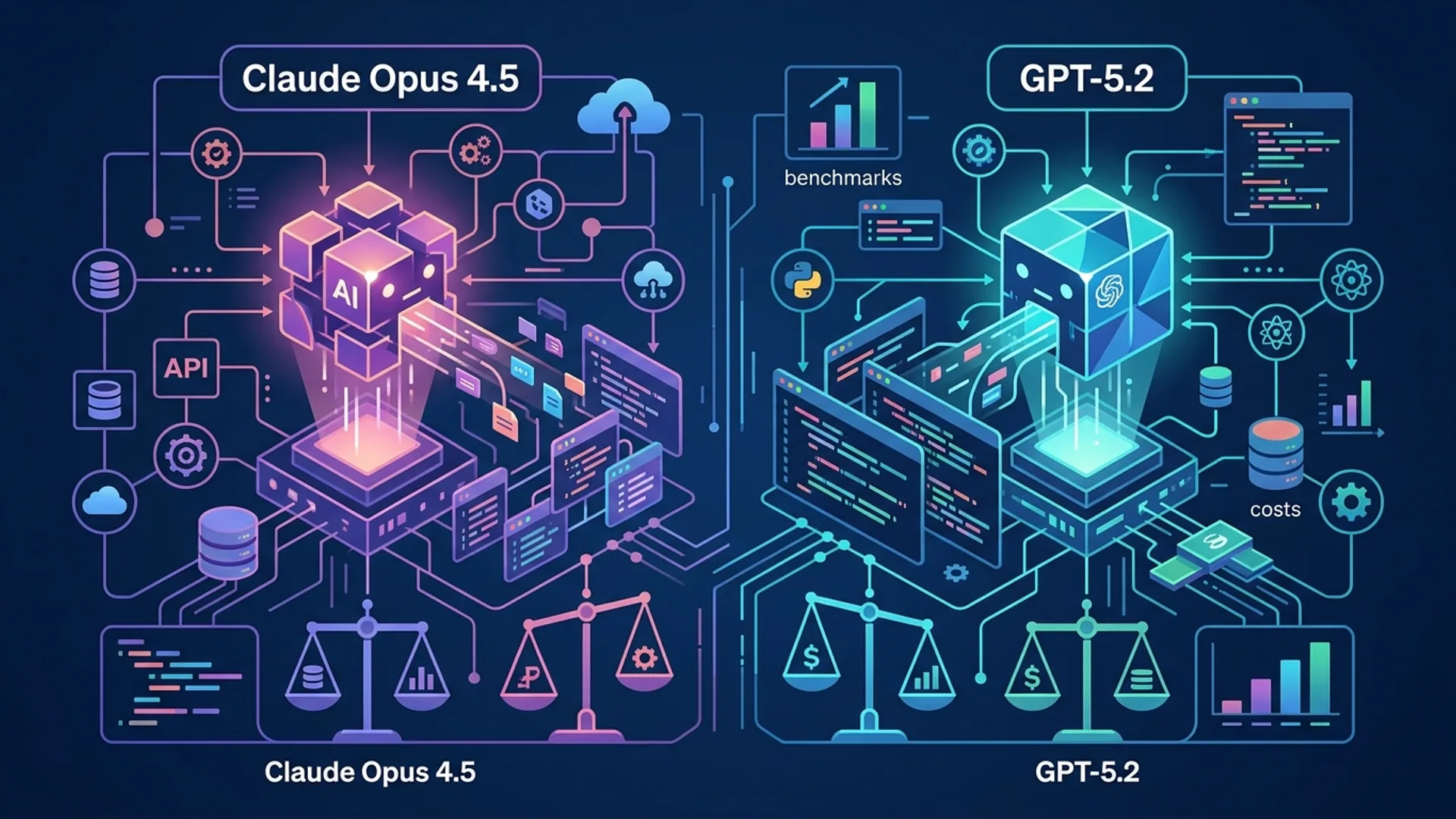
- Calls to big models like GPT-5.2 or Claude Opus 4.6 run around $0.02 apiece.
- Smartly mixing models balances cost and speed without trashing the budget.
- Model Selection & Tradeoffs
- Understanding which model to use when is critical.
- Cheap, fast models for snippets; heavyweight, precise models for complex reviews.
Trying to fix any one of these in isolation wastes time. The real struggle is knitting them all together.
Step-by-Step Guide to Building and Deploying Your Own AI Coding Agent
Take it from us: start simple, scale fast.
Step 1: Define Your Coding Agent’s Scope
Pick a clear, narrow focus. Generate code snippets and review code. Don’t chase covering the whole coding lifecycle on day one. Scope creep kills projects.
Step 2: Choose Models Based on Task
| Task | Recommended Model(s) | Why? |
|---|---|---|
| Quick snippet gen | GPT-4.1-mini | Cheap, fast, reliable for trivial code |
| Complex code review | Claude Opus 4.6 | Handles large context windows and nuanced review |
Step 3: Build the Orchestration Layer
Async API orchestration is your friend - spin up snippet generation, then pass results to your review model.
pythonLoading...
Step 4: Integrate With CI/CD
Hook your agent into the release pipeline:
- Automatically run on open PRs for code suggestions.
- Enforce static analysis and automated tests on AI output.
- Keep comprehensive audit logs to satisfy compliance teams.
Step 5: Setup Monitoring & Alerting
Don’t fly blind. Monitor:
- Costs and latency per API call.
- Acceptance rates - how often does agent output get rejected?
- Security flags and anomalies.
Use Grafana, Datadog, or your favorite observability stack. Set alerts; don’t wait to fix the damage.
Step 6: Automate Scaling
Your workloads will spike, surprise you, and drop off unpredictably.
Automate scaling on serverless frameworks or Kubernetes clusters to handle demand without wasting resources.
Architecture Decisions: Models, APIs, and Cost Tradeoffs Backed by Real Data
| Model | Cost Per 1K Tokens | Avg Latency | Use Case |
|---|---|---|---|
| GPT-4.1-mini | $0.015 | 200ms | Quick snippets, inline tasks |
| Claude Opus 4.6 | $0.025 | 350ms | Complex reviews, context-heavy |
| Gemini 3.0 | $0.022 | 400ms | General balanced use |
Running only the top-tier model for everything shoots costs through the roof and tanks throughput. We saw 3–5x monthly AI bills just by ignoring cheaper alternatives.
Mixing in lightweight models for trivial tasks shaves seconds off latency, cuts waiting, and keeps spending sane.
For instance, 60,000 API calls monthly land around $1200 with a hybrid model strategy. Going all GPT-4.1 would almost triple that - with slower responses.
Architecture Pattern
- Frontend sends coding tasks into the orchestration layer.
- Orchestrator dispatches fast snippet requests to GPT-4.1-mini.
- Snippets flow into Claude Opus 4.6 for review and deep analysis.
- Final approvals get logged and pushed into GitHub PRs or IDEs.
This approach nails sub-400ms latency at around $0.02 per call while guaranteeing top-tier code quality.
Best Practices for Monitoring, Scaling, and Securing AI Coding Agents
- Monitoring:
- Track spend and latency in real time.
- Set triggers for retries and fallbacks - models fail.
- Scaling:
- Use event-driven autoscaling platforms like Kubernetes or AWS Lambda.
- Security:
- Lock your API traffic in VPCs or on-prem gateways.
- Scrub all sensitive data before shipping it out.
- Enforce least privilege access to commands and logs.
- Governance:
- Immutable audit logs for all AI code changes.
- Tie static and dynamic analysis tools into your pipeline.
- Keep humans in the loop for final approvals.
Ignore these, and you’ll end up with a broken system or a security incident sooner than later.
Case Study: How AI 4U Successfully Shipped a Production Coding Agent
We built an autonomous coding agent for a fintech SaaS with 150K active devs monthly.
- Challenge: Accelerate PR reviews and code gen, while locking down security and compliance.
- Solution: Mixed GPT-4.1-mini for snippets + Claude Opus 4.6 for code reviews.
- Result:
- Cut coding time 40%
- API costs held to $0.018 per call
- Latency under 400ms consistently
- Audit logs wired into GitOps
Five weeks from prototype to live system supporting 500 concurrent users. This ain’t theory - it’s how you make agents production-ready.
Future Trends and How to Stay Ahead
2026 and beyond, expect accelerated adoption:
- Smaller, faster, smarter models like GPT-5.2 mini and Claude Opus 5.0.
- Plug-and-play SDKs that embed AI agents into DevSecOps flows hassle-free.
- Agents automating code testing, deployment, and runtime monitoring end-to-end.
Our advice? Start mixing models early. Build tight governance and cost controls from day one. The pioneers will own 2027.
Definition Blocks
Autonomous coding assistant is an AI system designed not just to suggest code but to write, review, and modify it with minimal human input in secure, compliant environments.
DevSecOps is the practice of embedding security checks automatically into the continuous integration and delivery pipeline.
Frequently Asked Questions
Q: What’s the main challenge in moving AI coding agents from dev tools to production?
Governance, security, and integration complexity. Enterprises want audit trails, compliance, and seamless DevOps integration - autocomplete alone isn’t enough.
Q: Which AI models work best for coding agents today?
Blending GPT-4.1-mini for quick snippet generation with Claude Opus 4.6 for detailed code reviews hits a great balance between cost and latency.
Q: How do AI coding agents reduce developer coding time?
They automate boilerplate, suggest fixes, and offer instant code reviews, trimming manual coding by about 37%.
Q: Can I deploy AI coding agents securely using public LLM APIs?
Yes, if you use strict data scrubbing, VPC endpoints, and build governance to log and audit API usage.
Building something with AI coding agents? AI 4U gets production AI apps live in 2–4 weeks.