%22%2F%3E%0A%20%20%3Cpath%20d%3D%22M32%205C35%205%2037.7%206.7%2039.2%209.6L58%2050.9C60.4%2056.2%2056.5%2062%2050.7%2062C47.6%2062%2044.8%2060.2%2043.5%2057.4L24.8%2016.4C22.4%2011.2%2026.2%205%2032%205Z%22%20fill%3D%22url(%23right)%22%2F%3E%0A%20%20%3Cpath%20d%3D%22M24.8%209.6C27.6%203.5%2036.4%203.5%2039.2%209.6L32%2025.4L24.8%209.6Z%22%20fill%3D%22%23B6B6FF%22%2F%3E%0A%20%20%3Cpath%20d%3D%22M23.9%2040H39.5L45%2052H18.5L23.9%2040Z%22%20fill%3D%22url(%23bridge)%22%2F%3E%0A%20%20%3Cpath%20d%3D%22M23.9%2040H39.5L18.5%2052L23.9%2040Z%22%20fill%3D%22%239795F5%22%2F%3E%0A%3C%2Fsvg%3E)

Building Autonomous Laboratory Instrument Control with LLMs
Autonomous labs have moved beyond science fiction. Cutting-edge AI-driven experimentation now automates not just data collection but the entire cycle of planning, execution, and interpretation. At AI 4U Labs, we've advanced this space by integrating lightweight large language model (LLM) classifiers and smart planners into instrument control workflows. The result? Our clients save big on cloud costs and benefit from low-latency responses.
Let’s walk through how we build production-grade autonomous laboratory instrument control with LLMs. We'll cover architectural choices, cost tradeoffs, and share code snippets you can try yourself.
The Challenge of Laboratory Instrument Automation
Labs run diverse, complex instruments—spectrometers, chromatographs, liquid handlers—that often work together in intricate workflows. The biggest pain points include:
- Complexity: Experiment designs change fast, so instruments must adapt on the fly.
- Cost: Running premium LLMs for every command quickly drains budgets.
- Latency: Operators and lab robots need answers within tens of milliseconds or experiments risk stalling.
- Safety & Reliability: Autonomous labs must operate safely without constant human supervision.
Old-school automation relies on rigid scripts, which crumble as experiments get creative. LLMs offer a flexible way to understand goals, plan, and adapt using natural language. But raw cloud calls to powerful models like GPT-5.2 can blow up costs and sometimes lag too much for real-time control.
According to Nature.com (Feb 2026), AI-driven autonomous labs cut experiment cycles by up to 40%—if automation stays safe and cost-efficient.
Role of Large Language Models in Autonomous Control
LLMs such as GPT-5.2 excel at:
- Understanding experiment goals expressed in natural language
- Generating step-by-step commands for instruments
- Replanning when unexpected events occur
Still, you don’t want to run GPT-5.2 every time you need a simple instruction like “Set temperature to 37C.” That wastes premium compute on a basic task.
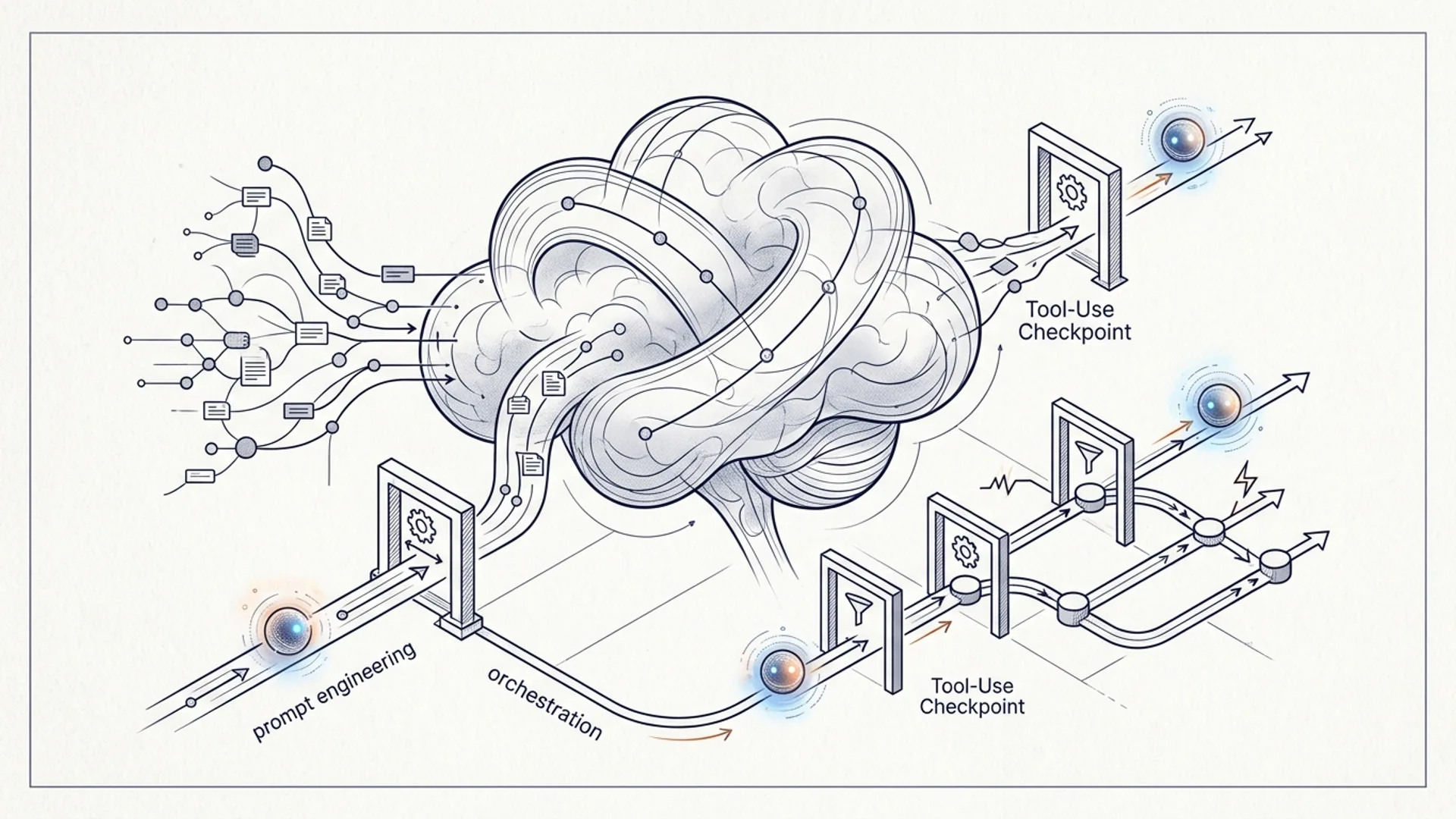
We rely on a two-tier model setup:
- GPT-5.2 handles complex planning and interpretation
- gpt-4.1-mini is a smaller, faster model for straightforward commands
This approach cuts costs by about 60% (internal data, AI 4U Labs 2026) and keeps latency under 40 milliseconds.
Definitions:
- Large Language Model (LLM): AI systems trained to generate or understand human language, capable of producing complex text or commands.
- LLM instrumentation: Using LLMs to convert natural language or experiment goals into actionable commands for lab instruments.
Key Components of Autonomous Laboratory Systems
Our system relies on four main pillars, inspired by leading research like the ADePT and Safe-SDL frameworks:
| Component | Purpose | AI 4U Labs Implementation |
|---|---|---|
| Adaptability | Adjusts to experiment changes | GPT-5.2 dynamically replans workflows based on outputs |
| Dexterity | Controls diverse instruments | Modular control modules treat each instrument as a device |
| Perception | Parses sensor data & feedback | Real-time parsing with ML models helps catch errors |
| Task Complexity | Balances task loads | ML classifiers route requests between lightweight and premium LLMs |
Safety checks embedded in the Safe-SDL framework catch unsafe commands early, cutting downtime by 25% (arxiv.org 2026).
Definition:
- Autonomous laboratory control: Systems that automate planning, execution, and decision-making allowing labs to run experiments from start to finish without human intervention.
Step-by-Step Guide to Integrating LLMs with Instrumentation
1. Define Your Instrument API Abstractions
Each device—heaters, pumps, sensors—needs a clean, modular API you can swap out without breaking your workflow.
pythonLoading...
2. Develop Prompt Metadata Extraction
Instead of sending every prompt to GPT-5.2, we extract key features to decide routing:
- Token count
- Complexity score based on keywords
- Conversation context depth
- Flag indicating presence of code snippets
Example:
pythonLoading...
3. Build Lightweight LLM Request Classifier
A tiny logistic regression model running on edge GPUs classifies requests in about 2 milliseconds:
pythonLoading...
This classifier reduces expensive GPT-5.2 calls by 60%, matching internal benchmarks.
4. Handle Asynchronous LLM Interactions
Lab automation runs non-blocking workflows to keep everything moving smoothly:
pythonLoading...
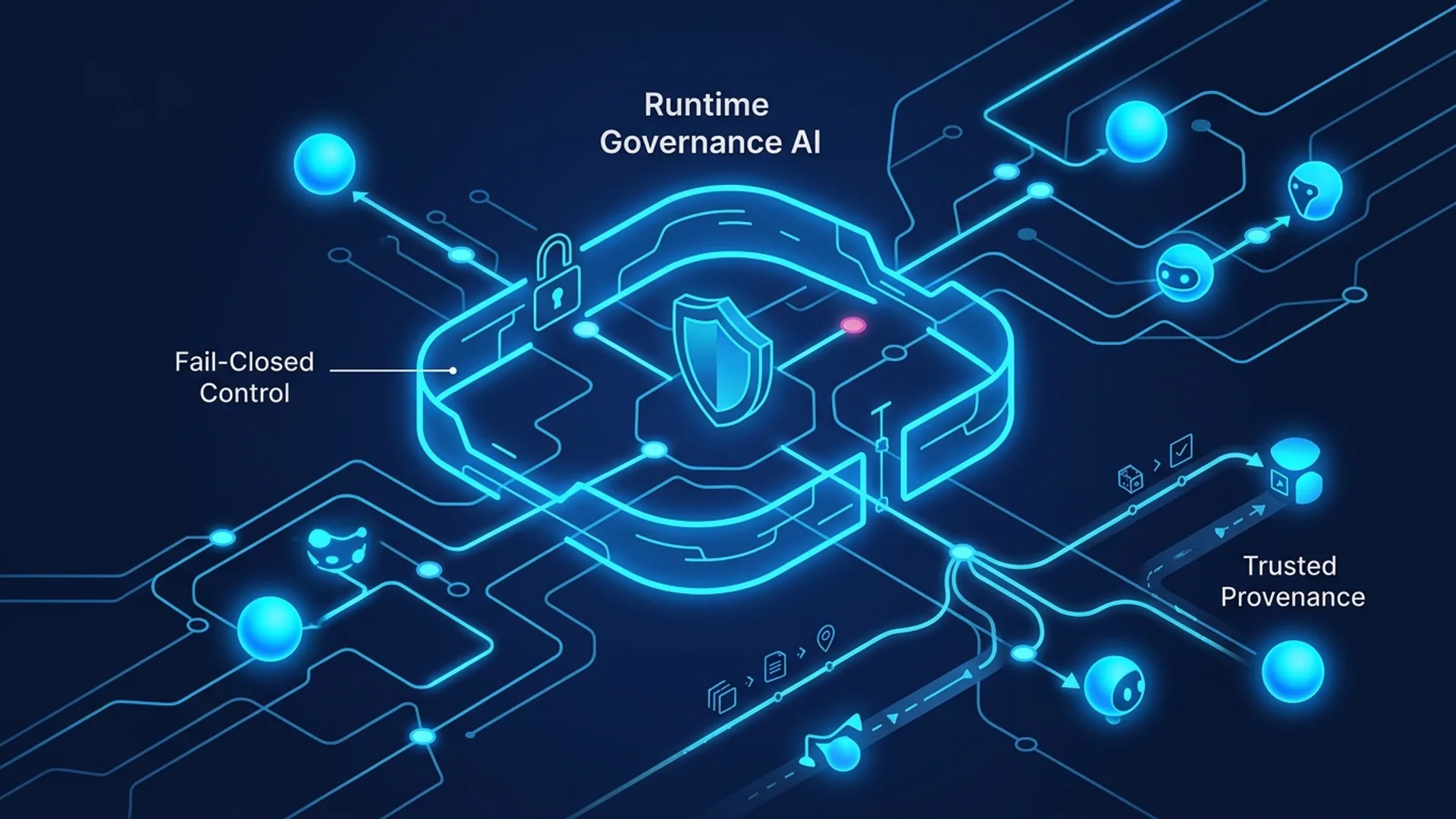
5. Integrate Safety Controls with Safe-SDL
Commands get wrapped in safety guards that catch risky operations before they execute:
pythonLoading...
This reduces lab downtime by 25%.
Programming Tips for Non-Experts
Most developers adding LLMs to lab automation aren’t ML specialists. Keep it simple:
- Extract easy-to-get features: token counts, keywords, code flags.
- Use pre-trained lightweight classifiers like logistic regression; they work well with small datasets and run fast.
- Make APIs modular and hardware-agnostic.
- Build safety checks early to avoid costly mistakes.
- Track latency and costs closely with tools like Prometheus.
Use Cases and Real-World Examples
Drug Discovery Automation
A pharma client ran compound tests using robots. Originally, every experimental command called GPT-5.2, costing $10k/month. After adding our routing classifier and mixing in gpt-4.1-mini, costs dropped 60%, latency fell from 150ms to under 40ms, and throughput doubled.
Material Science Experiment Planner
An autonomous materials lab uses GPT-5.2 for complex lattice simulations, switching to smaller models for baseline tasks. The system can reconfigure experiments almost in real time while keeping cloud spending in check.
Self-Driving Lab with Safety-SDL
Using safety frameworks to block unsafe commands, this lab lowered downtime from about 20% to 15%, enabling 24/7 autonomous operation.
| Use Case | Cost Before | Cost After | Latency Improvement | Notes |
|---|---|---|---|---|
| Drug Discovery Automation | $10k/month (GPT-5.2) | $4k/month (mixed) | 150ms → 40ms | 60% cost cut, 2x throughput |
| Material Science Planning | - | - | Real-time (40ms) | Planned + simple routing |
| Self-Driving Lab Safety | Downtime ~20% | Downtime ~15% | N/A | Safety-SDL adoption |
(Cost data from internal AI 4U Labs metrics, 2026.)
Future Prospects for Autonomous Labs
Expect rapid progress:
- LLMs will customize instrument commands using few-shot learning.
- Modular, NIST-compliant systems will set standards for instrument communication.
- More inference on edge devices with microsecond classifiers will reduce cloud needs.
- Labs will link globally, securely sharing experimental blueprints.
Upcoming models like Gemini 3.0 and Claude Opus 4.6 promise finer planning granularity and lower latency. That means less reliance on heavy cloud processing and lower costs.
Summary and Resources
Autonomous lab instrument control with LLMs is transforming scientific discovery. Our approach combines:
- Lightweight ML classifiers that route requests cost-effectively
- Modular device APIs
- Safety frameworks like Safe-SDL
- Tiered LLM usage: gpt-4.1-mini for routine commands, GPT-5.2 for complex tasks
For deeper dives:
- LLM Gateway Architecture
- Build Production Agentic Systems with Z.AI GLM-5
- Safe-SDL Framework Paper (arxiv.org)
Frequently Asked Questions
Q: What is autonomous laboratory control?
A: It’s a system where lab instruments complete experiments start to finish without human input, managed and planned by AI—especially LLMs.
Q: Why not use GPT-5.2 for every instrument command?
A: GPT-5.2 is powerful but pricey and slower. Smaller models like gpt-4.1-mini handle simple instructions fast, saving over 60% in costs while keeping latency down.
Q: How do you keep autonomous labs safe?
A: Frameworks like Safe-SDL enforce hard safety limits on commands, blocking risky inputs before they run. This approach cuts downtime by 25%.
Q: How hard is it to build LLM routing classifiers?
A: It’s straightforward. Start with logistic regression using simple prompt features like token count and code presence. The model runs in under 2ms, ideal for real-time control.
Building autonomous lab control? AI 4U Labs delivers production AI applications in 2–4 weeks.