%22%2F%3E%0A%20%20%3Cpath%20d%3D%22M32%205C35%205%2037.7%206.7%2039.2%209.6L58%2050.9C60.4%2056.2%2056.5%2062%2050.7%2062C47.6%2062%2044.8%2060.2%2043.5%2057.4L24.8%2016.4C22.4%2011.2%2026.2%205%2032%205Z%22%20fill%3D%22url(%23right)%22%2F%3E%0A%20%20%3Cpath%20d%3D%22M24.8%209.6C27.6%203.5%2036.4%203.5%2039.2%209.6L32%2025.4L24.8%209.6Z%22%20fill%3D%22%23B6B6FF%22%2F%3E%0A%20%20%3Cpath%20d%3D%22M23.9%2040H39.5L45%2052H18.5L23.9%2040Z%22%20fill%3D%22url(%23bridge)%22%2F%3E%0A%20%20%3Cpath%20d%3D%22M23.9%2040H39.5L18.5%2052L23.9%2040Z%22%20fill%3D%22%239795F5%22%2F%3E%0A%3C%2Fsvg%3E)
build Multi-Agent Orchestrator-Worker Pattern in AI Systems
We slashed inference costs by 65% and shrank 95th percentile latency from 5 seconds down to 1.2 seconds. How? By rearchitecting a customer service AI system using a multi-agent orchestrator-worker pattern running in production. We broke down tasks into surgical micro-steps, assigned them smartly, and balanced load dynamically across worker agents. No guesswork, just clear roles AND efficiency.
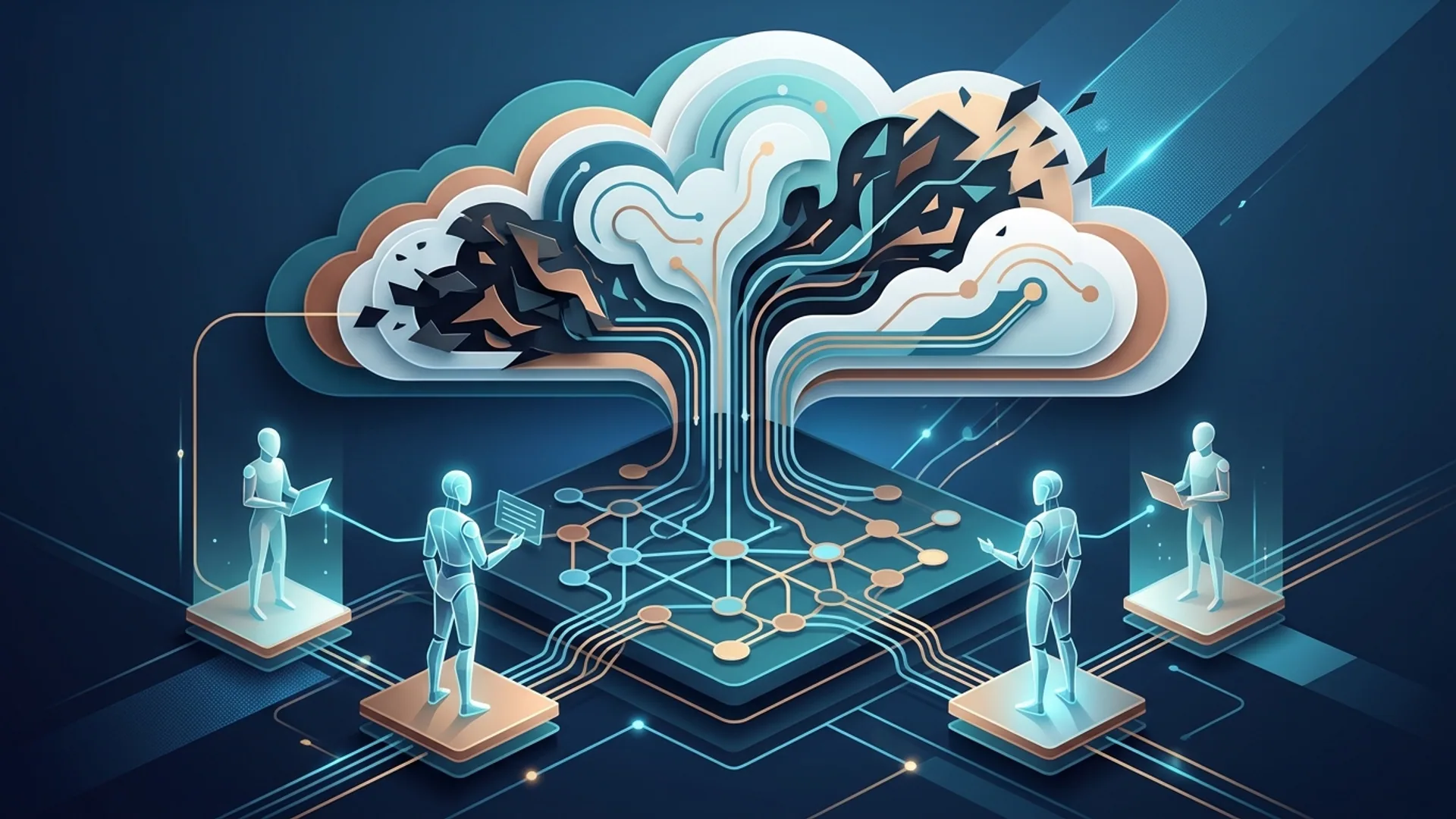
Multi-agent AI system means building multiple AI agents that collaborate under one brain - the orchestrator - tackling complex or multi-step tasks. This architecture feeds specialization, parallel work, and clear isolation of failures. It's way better than cramming everything into a giant monolithic model.
Recap: Fine-Tuning a Single AI System
Before, we tuned one big model - GPT-4.1-mini or Claude Opus 4.6 - for everything. Every request tripped through the whole model. That’s bigger models, slower responses, and limited workflow flexibility without expensive prompt engineering or custom code.
Multi-agent orchestration blows that approach out of the water as workloads get complex or scale. Specializing workflows and scaling smartly outperforms trying to do it all in one.
Designing the Orchestrator: Responsibilities and Architecture
The orchestrator runs the show. Its duties:
- Task decomposition: Chop complex requests into manageable subtasks.
- Worker delegation: Assign subtasks to specialized agents.
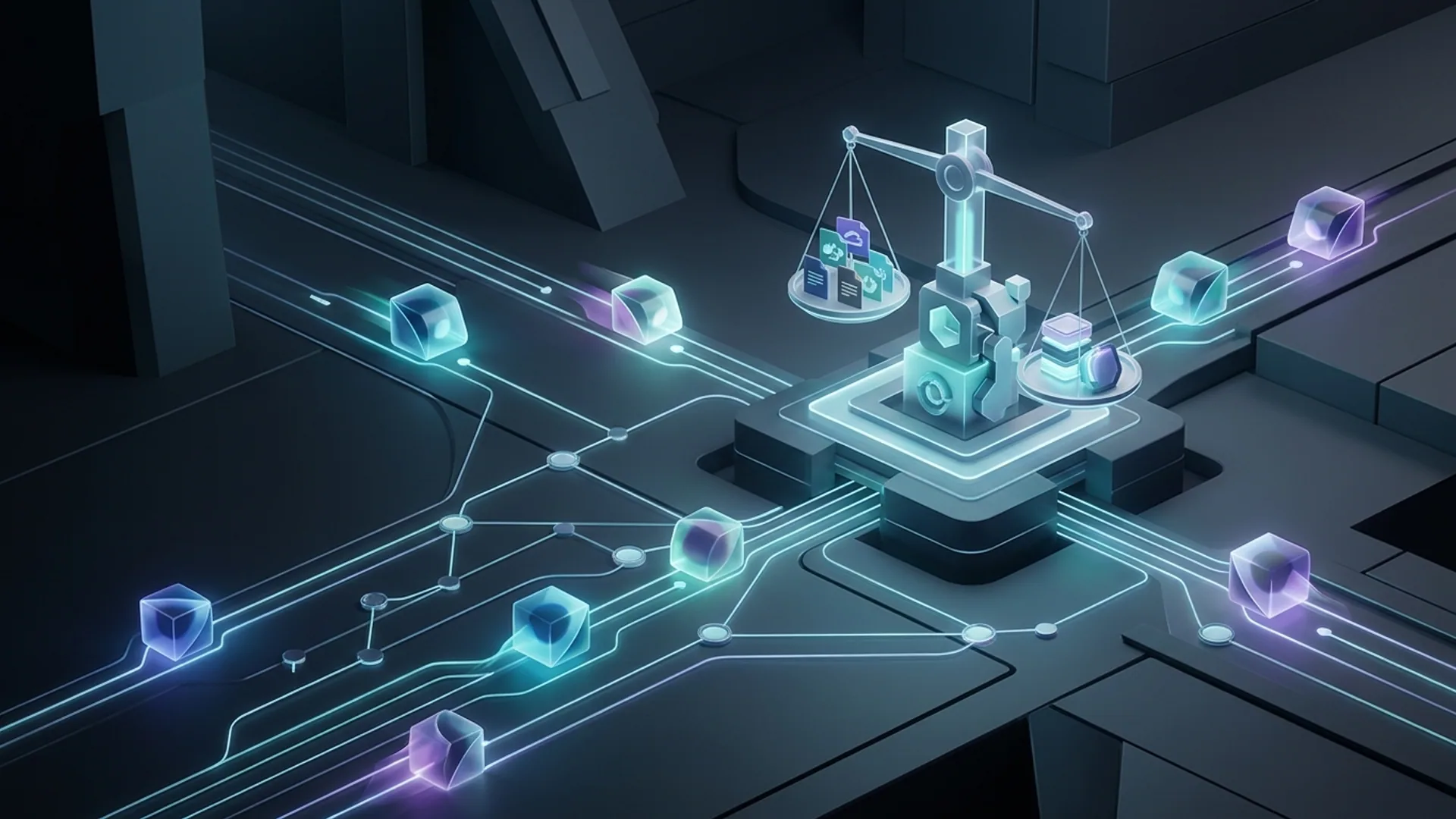
- Load balancing: Schedule tasks dynamically based on agent performance.
- Result aggregation: Stitch together outputs into a final deliverable.
- Monitoring and retry: Detect failures, retry with backoff, isolate errors cleanly.
The orchestrator-worker pattern splits control and execution - orchestrator handles flow, workers independently tackle subtasks in parallel or sequence.
Q: Why centralize orchestration?
Centralization keeps messy logic away from workers and surfaces workflow visibility. But don’t get greedy - too much centralization = bottlenecks under load. We've hit this wall - carefully distributed handlers prevent the orchestrator from becoming a choke point.
Architectural practices that work well
- Dynamic priority queues, tuned by agent capacity and historic latencies, keep assignments smooth.
- Pre-validation hooks inspect inputs before hitting workers - catch garbage early and save compute.
- Retry-with-backoff isn’t optional; it's the difference between noisy alerts and production peace.
- When overwhelmed, offload simple subtasks to workers’ local dispatch to keep the orchestrator nimble.
Real results
By 2026, Adobe and Salesforce leveraged this pattern to boost multi-step customer support workflows by 30%-40% (ztabs.co report) - taking this from theory to enterprise-grade reality.
Implementing Worker Agents: Roles and Communication
Worker agents handle focused chunks like:
- OCR and entity extraction
- Document summarization
- Sentiment analysis
- Formatting or translation for target languages
- Domain-specific decision logic
Worker agent means an AI module focused on a single piece of the pipeline.
Communication Protocols
| Protocol | Use Case | Scalability |
|---|---|---|
| Direct Messaging | Small teams, sync workflows | Limited |
| Publish-Subscribe | Large scale async workflows | Highly scalable |
| Blackboard | Shared state, complex sync | Complex coordination |
We swear by publish-subscribe when scale hits production - it decouples agents, manages retries invisibly, and drives parallelism without bottlenecks (ztabs.co, 2026).
Monitoring worker health and load
Live streaming throughput, queue size, and error metrics back to the orchestrator is non-negotiable for smart routing and keeping systems healthy.
Step-by-Step Coding Tutorial with LangGraph
Want to see it in action? Here's a barebones orchestrator that sends text extraction jobs to a worker, then funnels results to a summarizer:
pythonLoading...
This is just a scaffold. Production demands async queues, priority scheduling, input validation, and retry logic baked in.
Fine-tuning worker models
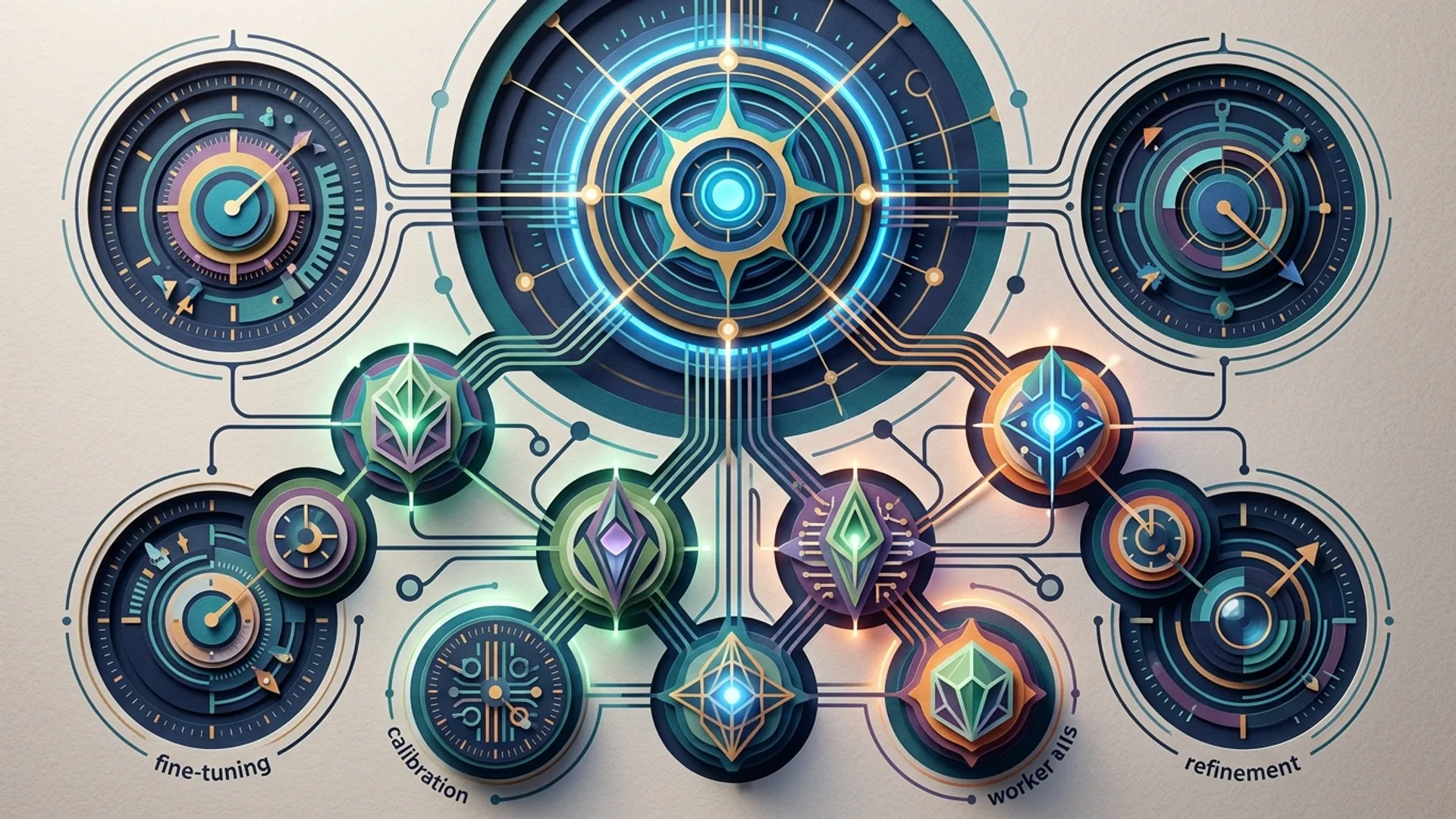
We fine-tune smaller models for each worker's niche. GPT-4.1-mini nails fast text extraction on a budget; Claude Opus 4.6 excels where nuance matters. A balance of accuracy and cost you can tune exactly.
Handling Failures and Scaling Agents in Production
Failures happen: APIs throttle, timeouts explode, inputs break models. Our retry-with-backoff layer retries twice, with exponential delays (500ms, then 2s). Overnight, 3 AM alert floods turned into zero noise.
Dynamic scaling
Workers scale based on queue size and throughput. Kubernetes Horizontal Pod Autoscaling plus orchestrator feedback spins up agents just before backlog piles up.
Real-world payoff
One platform with 7 specialized workers serving 10,000 daily requests now spends $1,480 monthly, down from $4,200. 90% of inferences hit cheap, optimized models without sacrificing quality. 95th percentile latency plummeted from 5s to 1.2s.
It's all down to lean task breakdowns, lightweight intermediate results flying around, and the orchestrator’s dynamic queues.
Tradeoffs: Latency, Complexity, and Cost
| Factor | Monolithic AI | Multi-Agent Orchestrator-Worker |
|---|---|---|
| Latency | Can be high | Lower latency via parallel tasks, but with orchestrator overhead |
| Cost | Higher per request | Reduced by routing subtasks to smaller models |
| Complexity | Simpler architecture | More control flow and error management needed |
| Scalability | Limited by single model size | Workers scale independently |
Multi-agent requires wrestling a more complex setup, but the cost and speed dividends at scale are undeniable.
Deployment and Monitoring Best Practices
You must have crystal-clear task flow visibility. We open-sourced a lightweight dashboard for LangGraph’s orchestrator and workers. It tracks:
- Tasks live-streaming through the system
- Worker health snapshots
- Queue depths
- Latency percentiles
Tying logs with input/output IDs makes debugging a breeze. Set separate error thresholds for orchestrator versus workers to find bottlenecks before customers do.
Additional Definition Blocks
Task decomposition is chopping a complex task into smaller, self-contained subtasks workers can manage independently.
Retry-with-backoff means retrying failed requests after progressively longer waits to avoid overload and allow transient issues to clear.
Frequently Asked Questions
Q: How does the orchestrator prevent bottlenecks?
Dynamic priority queues latch onto real-time agent health. When load spikes, simple tasks shift directly to workers for dispatch. This hybrid approach neutralizes bottlenecks before they form.
Q: Can I use any LLM for worker agents?
Sure. But smaller LLMs like GPT-4.1-mini crush quick subtasks cost-effectively. Larger ones like Claude Opus 4.6 or Gemini 3.0 tackle nuanced outputs better, balancing latency and cost like a pro.
Q: How do you handle data consistency across agents?
Tasks are idempotent. We use message queues with acknowledgments and persist intermediate states to guarantee exactly-once semantics even when failures hit.
Q: What monitoring tools work best?
Pair LangGraph’s dashboard with Prometheus for metrics and Datadog for alerting. That open-source dashboard nails workflow visualization specific to domain logic.