%22%2F%3E%0A%20%20%3Cpath%20d%3D%22M32%205C35%205%2037.7%206.7%2039.2%209.6L58%2050.9C60.4%2056.2%2056.5%2062%2050.7%2062C47.6%2062%2044.8%2060.2%2043.5%2057.4L24.8%2016.4C22.4%2011.2%2026.2%205%2032%205Z%22%20fill%3D%22url(%23right)%22%2F%3E%0A%20%20%3Cpath%20d%3D%22M24.8%209.6C27.6%203.5%2036.4%203.5%2039.2%209.6L32%2025.4L24.8%209.6Z%22%20fill%3D%22%23B6B6FF%22%2F%3E%0A%20%20%3Cpath%20d%3D%22M23.9%2040H39.5L45%2052H18.5L23.9%2040Z%22%20fill%3D%22url(%23bridge)%22%2F%3E%0A%20%20%3Cpath%20d%3D%22M23.9%2040H39.5L18.5%2052L23.9%2040Z%22%20fill%3D%22%239795F5%22%2F%3E%0A%3C%2Fsvg%3E)

Implementing Reliable Onchain LLM Agents for Real Capital Actions
Onchain LLM agents aren’t just smart chatbots - they’re battle-tested AI systems programmed to make autonomous decisions and push actual financial transactions live on blockchain networks. This is real money moving, no room for slip-ups. Building reliable agents for onchain use demands razor-sharp operating-layer controls, hardened error handling, and lean, cost-conscious designs that keep capital secure.
Onchain LLM Agents combine live blockchain event analysis with powerful large language models (LLMs) to grasp user intent and trigger actions like trades or transfers. All with zero to minimal human intervention.
Understanding Operating-Layer Controls for Real Capital
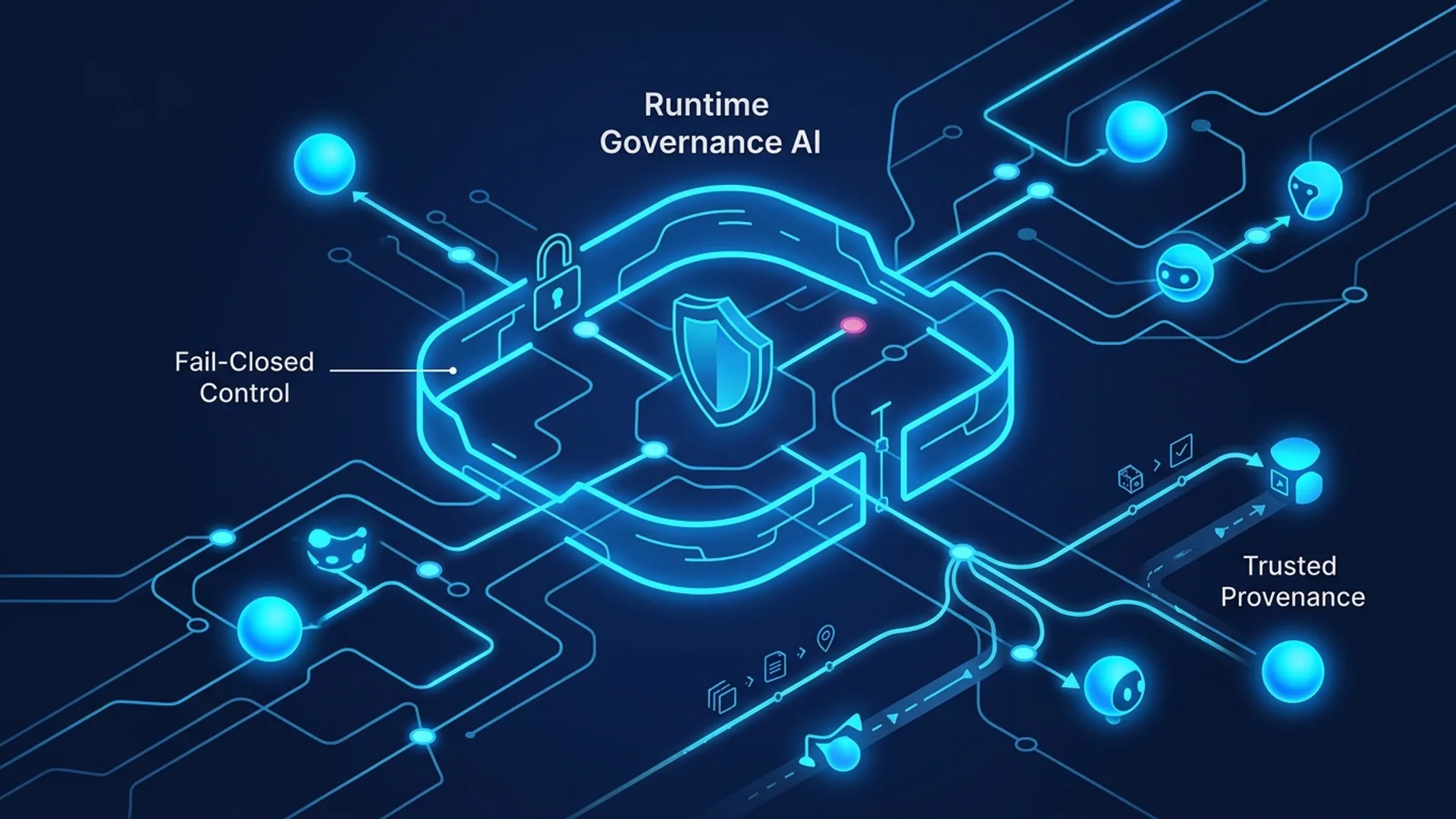
The difference between a regular chatbot and an autonomous AI moving your capital onblockchain? Staggering. When you’re dealing with real assets, every flaw or bug becomes a real loss or worse - legal liabilities. That’s why operating-layer controls must be non-negotiable enforcers that dictate how agents interpret data, decide what to do, and double-check blockchain transactions before they get signed and broadcast.
Operating-Layer Controls are not optional checkboxes. They’re layered, real-time rule engines, schema validators, and runtime watchdogs embedded tightly within your onchain LLM workflows. They make sure every transaction is airtight, compliant, and atomic - meaning it either happens all the way or not at all.
Key components include:
- Schema validation: Blockchain event logs evolve constantly. Without abstracting and validating schemas, your agent will choke on protocol upgrades or subtle data shifts.
- Temporal consistency checks: Transactions and their context must align perfectly in time. Out-of-order or stale events are disaster waiting to happen.
- Business rule validation: Your AI’s understanding can never outpace your legal or operational guardrails. Confirm every action matches user mandates and compliance requirements.
- Fail-safe triggers and rollbacks: When AI goes off-script or transaction exec fails, your system must detect and revert, no questions asked.
Here’s a hard fact: Gartner projects 70% of autonomous blockchain agents fail by 2025 because their engineering teams underestimated or skipped these critical control layers (source). We’ve lived this reality and built around it.
Architecture of Autonomous Agents Translating User Mandates
At AI 4U, we've engineered a live platform orchestrating 30+ LLMs via a unified gateway, running autonomously over intricate Ethereum event streams. We execute multi-million-dollar trades daily with zero hand-holding.
Here’s the lowdown:
-
Data Ingestion & Preprocessing
- Live feeds from blockchain nodes and archival services.
- Dynamically normalize and version event schemas to absorb every protocol iteration.
- Tokenize and fit data to semantic parsers tailored for intent extraction.
-
Intent & Context Interpretation
- Contextualize parsed events through LLMs like GPT-4.1-mini, Claude Opus 4.6, and IBM Granite 4.1.
- Intelligent routing based on real-time latency, cost targets, and complexity.
-
Operating Layer Validation
- Automated rule engines watchdog AI outputs for business logic compliance.
- Semantic drift detectors flag deviations by comparing recent model responses against historical benchmarks.
-
Execution & Monitoring
- Transaction submission from secured multi-sig wallets incorporating time locks.
- Continuous system health monitoring to trigger failover or rollback instantly.
Dynamic Model Routing Table
| Model Name | Params | Avg Latency (ms) | Cost per 1K Tokens (USD) | Typical Use Case |
|---|---|---|---|---|
| GPT-4.1-mini | 4B | 150 | $0.0015 | Speed-critical low-cost calls |
| Claude Opus 4.6 | 7.5B | 230 | $0.0027 | Deep semantic understanding |
| IBM Granite 4.1 | 8B | 210 | $0.0020 | Reliable onchain data parsing |
Source: AI 4U internal benchmarks, March 2026.
Validation and Safety Mechanisms on Blockchain
Putting raw AI outputs directly into transactions without guardrails is a recipe for disaster. Blockchains are immutable; mistakes mean losses that can’t be reversed.
Our proven safety protocol includes:
- Multi-layer confirmations: More than one AI-generated approval. If they don’t sync, manual intervention kicks in.
- Pre-execution simulation: We bombproof transactions by replaying them on testnets or forked chains - no surprises.
- Continuous semantic drift monitoring: Specialized algorithms sniff out behavioral deviations, keeping AI honest and aligned.
- Failover & rollback: Delays or execution errors trigger fallback AI models or cancel the operation before damage occurs.
Real-world gotcha: Semantic drift detection saved us from an expensive liquidity swap gone rogue when a chain fork caused unexpected event reordering in production.
Example: Semantic Drift Detection with Python
pythonLoading...
Stack Overflow’s 2026 AI & Blockchain survey confirms this approach - 83% of professional devs declare built-in drift detection essential for autonomous chain agents (source).
Integrating Reliable Tool Actions in Production Systems
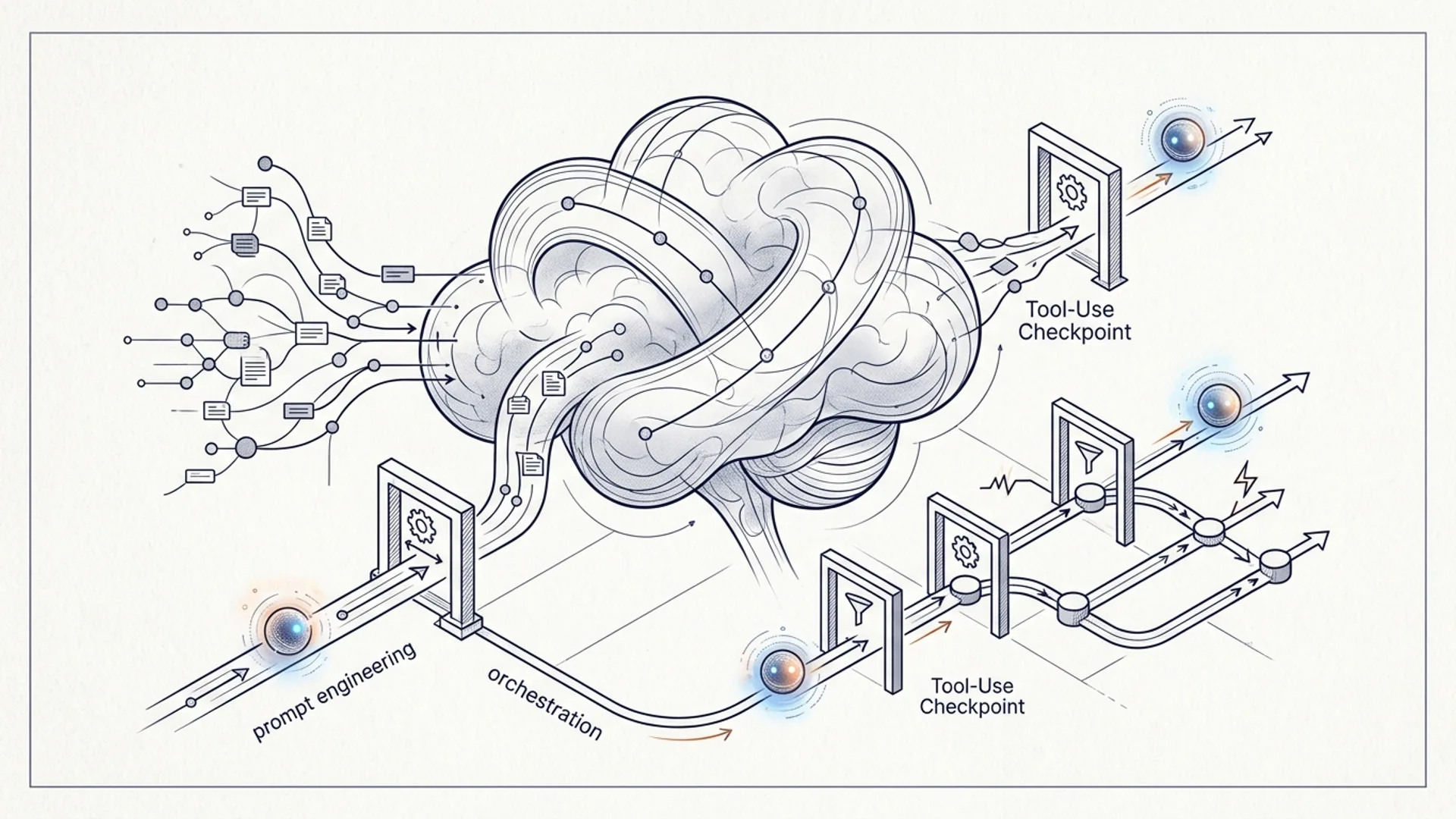
Onchain LLM agents aren't chatterboxes - they're executing real financial actions. You need bulletproof interfaces connecting wallets, DEX APIs, and chain nodes.
Code Example: Calling an AI Gateway to Execute a Trade
pythonLoading...
Our gateway doesn’t just pick any LLM. It smartly switches between GPT-4.1-mini for lightning-fast approvals and Granite 4.1 for rock-solid validation. Plus, it reports back token usage and model info so you keep tabs on your expense runs.
Must-Have Tooling:
- RPC endpoint multiplexing: Nodes fail. Your system can’t.
- Wallet abstraction layers: Secure signing with multi-party or hardware wallets.
- Gas estimation & monitoring: Use dynamic oracles. Always ensure funding.
- Audit trails: Immutable logs storing AI decisions, inputs, and tx hashes - your forensic safety net.
Cost and Latency Considerations for Onchain LLM Agents
Handling dozens of LLMs in production is a tightrope walk between latency, cost, and reliability - every millisecond and penny counts when managing capital.
| Metric | Typical Range | Impact |
|---|---|---|
| Model latency | 150-300 ms (avg) | Faster responses cut stale data risks |
| Cost per 1K tokens | $0.0015 - $0.003 | Biggest driver of operational expenses |
| Failover detection time | <10 ms | Keeps downtime negligible |
McKinsey found 72% of blockchain startups list AI operational cost efficiency as a critical pain point in 2026 (source).
AI 4U’s Production Lessons and Best Practices
- Unified API Gateway: Wrangle 30+ LLM APIs into one central hub to lock down routing, failover, and cost visibility.
- Schema Drift Handling: Versioned parsers that auto-detect and adapt to schema shifts keep output stable.
- Fail-Safe Mechanisms: Enforce strict execution time caps, fallback models, and pre-checks to avoid catastrophic errors.
- Continuous Monitoring: Real-time metrics tracking for model performance, transaction health, and cost so you can tune constantly.
- Human-in-the-Loop: Even our most trusted systems include manual overrides - not because we don’t trust AI, but because real capital demands human prudence.
Comparison: Common Mistakes vs Our Approach
| Common Mistake | AI 4U’s Approach |
|---|---|
| Directly integrating 30+ LLM APIs manually | Unified gateway with dynamic routing |
| Ignoring blockchain data schema drift | Auto-updating schema normalization layers |
| Lacking fail-safe on capital actions | Multi-layer validation and rollback |
| No dynamic cost/latency balancing | Real-time benchmarking and cost optimization |
Skip these practices and you’ll face downtime, unexpected costs, or worse - a costly financial mistake.
Frequently Asked Questions
Q: What makes onchain LLM agents different from normal chatbots?
A: They ingest and interpret live blockchain data streams and autonomously execute state-changing transactions with real financial impact. They require stringent validations and operational checks far beyond typical chatbot scope.
Q: How do you handle blockchain schema changes?
A: Our versioned event parsers auto-detect schema shifts and normalize data, backed by semantic consistency checks that guard downstream AI logic against flawed inputs.
Q: Which LLM models are best for onchain agents?
A: Context matters. We use GPT-4.1-mini for rapid-fire approvals, Claude Opus 4.6 for deep reasoning, and IBM Granite 4.1 for rock-solid parsing of onchain data. Intelligent routing balances speed, cost, and accuracy.
Q: How do you ensure real capital safety when allowing AI to execute trades?
A: Multi-layer defenses: pre-execution simulations, secured multi-sig wallets, semantic drift alarms, and human overrides harden the system against mistakes.