%22%2F%3E%0A%20%20%3Cpath%20d%3D%22M32%205C35%205%2037.7%206.7%2039.2%209.6L58%2050.9C60.4%2056.2%2056.5%2062%2050.7%2062C47.6%2062%2044.8%2060.2%2043.5%2057.4L24.8%2016.4C22.4%2011.2%2026.2%205%2032%205Z%22%20fill%3D%22url(%23right)%22%2F%3E%0A%20%20%3Cpath%20d%3D%22M24.8%209.6C27.6%203.5%2036.4%203.5%2039.2%209.6L32%2025.4L24.8%209.6Z%22%20fill%3D%22%23B6B6FF%22%2F%3E%0A%20%20%3Cpath%20d%3D%22M23.9%2040H39.5L45%2052H18.5L23.9%2040Z%22%20fill%3D%22url(%23bridge)%22%2F%3E%0A%20%20%3Cpath%20d%3D%22M23.9%2040H39.5L18.5%2052L23.9%2040Z%22%20fill%3D%22%239795F5%22%2F%3E%0A%3C%2Fsvg%3E)
Agentic AI for Enterprise App Delivery: Architecture and Deployment Guide
Cutting multi-agent delivery latency from 300 seconds to 80 seconds on complex projects isn’t luck. It’s precision engineering. We reroute dependency tasks to specialized GPT-4.1-mini agents, shaving 65% off cloud costs and orchestrating real-time AI-driven SDLC pipelines across 12 countries and 5 languages. This isn’t theory - it’s what we built and run every day.
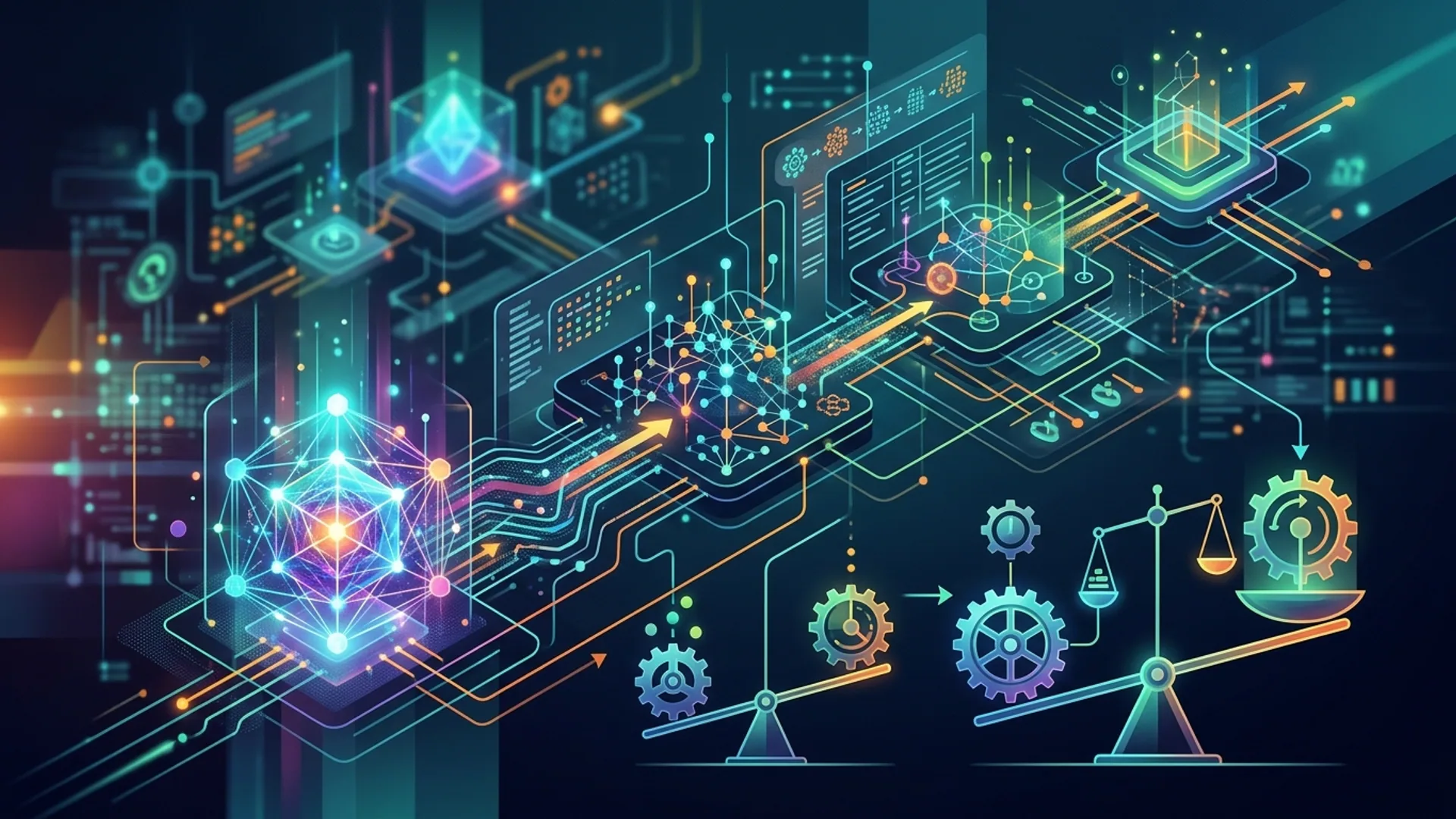
Agentic AI enterprise means deploying autonomous AI agents that collaborate seamlessly inside delivery pipelines, automating complicated workflows like SDLC with built-in governance and full auditability.
We’re not talking simple generative AI. Agentic AI fuses planning, tool integration, persistent memory, and hardened security - automating end-to-end processes without a human pause.
Defining Agentic AI and How It Differs from Generative AI
Agentic AI relies on autonomous agents executing multi-step reasoning and managing tool execution as part of orchestrated workflows. It’s a hands-off conveyor belt for complex tasks.
Generative AI? That’s a single-shot content generator - text, code snippets, or whatever. No orchestration, no context chaining.
Only agentic AI coordinates dependencies, error handling, and inter-agent communication. This is mission-critical when automating enterprise app delivery pipelines, triaging bugs, or running tests at scale.
Real talk: trying to replace this with solo generative AI models is a dead end. You need specialized agents collaborating tightly.
Challenges in Traditional Enterprise App Delivery
Legacy SDLC is a bottleneck monster. Manual steps hold up releases and spike operational costs.
- AI workflow integrations demand costly ERP upgrades; 83% of firms can’t start agentic AI without migration (itpro.com).
- Opaque agent activity with no developer-controlled audit makes error recovery a nightmare.
- Monolithic AI models choke on scalability; modular agents scale cleanly.
If your architecture isn’t built for this, your AI-driven delivery pipeline won’t survive the wild enterprise ride.
Been there. The pain of patchworked ERP and no audit logs burned us before we got this right.
WaveMaker AI: Our Architecture-First Framework
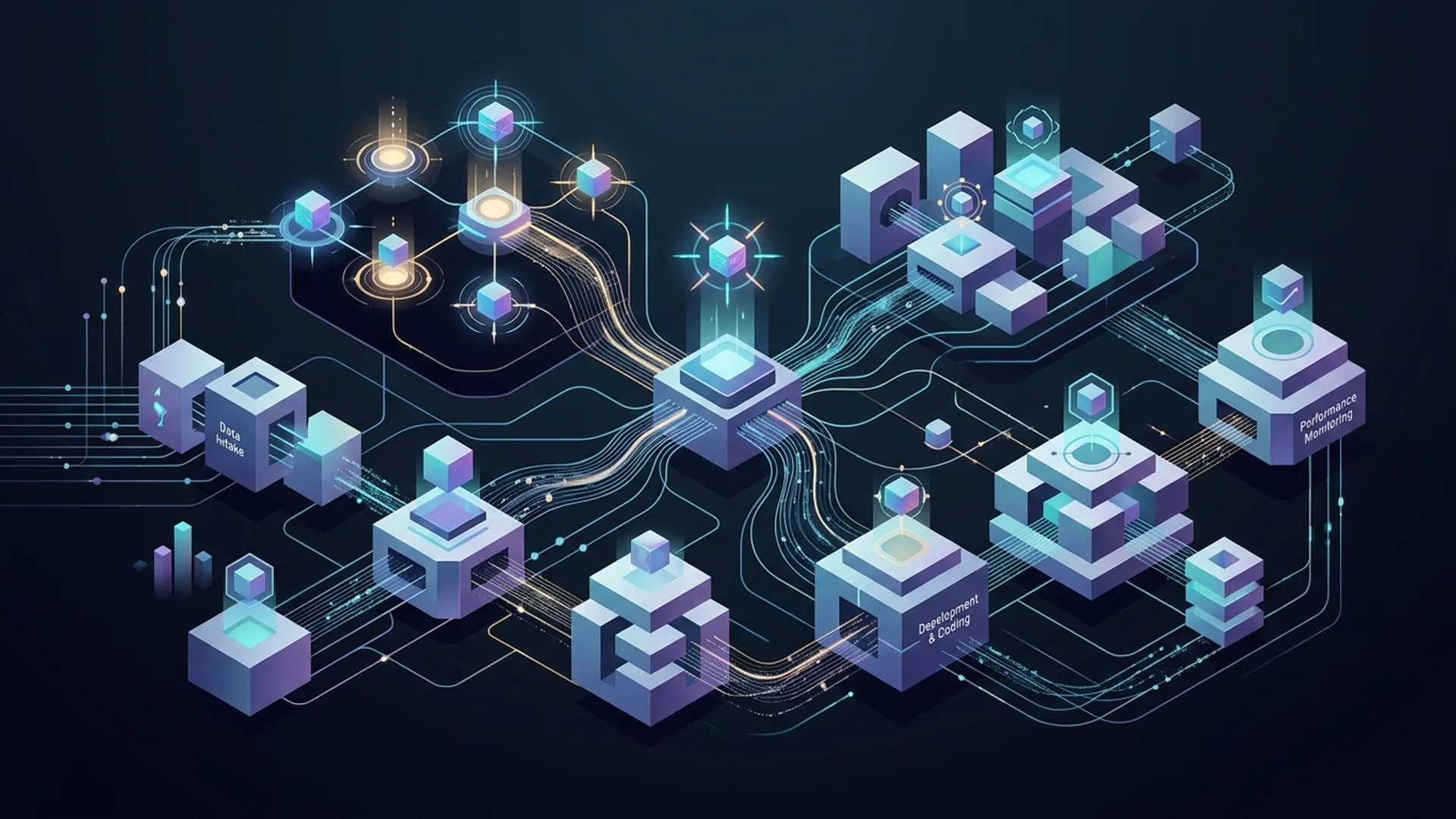
WaveMaker AI is our battle-tested, layered framework purpose-built for agentic AI delivery:
| Layer | Role | Models / Tools |
|---|---|---|
| Planning & Reasoning | Coordinate tasks across agents | GPT-4o, Claude 3.7 Sonnet |
| Tool Integration | Connect APIs and legacy systems | REST, GraphQL, custom SDKs |
| Memory & Context | Store persistent state and context | Redis, vector databases |
| Governance & Audit | Enforce policies, logging, rollback | Developer workflows, Kafka |
Modularity is non-negotiable. Each component is swappable and scales independently. Containerizing agent microservices cut cloud expenses by 65% - no exaggeration.
Specialized SDLC Agents in Development Pipelines
Monolithic AI handling everything is a throughput killer. We break SDLC into clear personas:
- Dependency Resolver - Hunts required packages and environment details using GPT-4.1-mini, a lean model running inference under 500 ms at 80% less cost.
- Code Generator - Crafts enterprise-compliant feature code.
- Test Runner - Auto-creates and executes unit and integration tests.
Parallelizing these agents untangles bottlenecks. Here’s how our orchestration API fires off this magic:
pythonLoading...
One call launches multi-agent CI/CD pipeline steps. Agents track progress and execute retries with backoff, preventing cascading failures - something we nailed down after early costly blips.
Designing Agent Workflows for Enterprise Apps
Clear boundaries for each agent are essential. We define precise inputs, outputs, and failure modes.
Steps:
- Break feature requests into atomic jobs: code updates, dependency checks, test generation.
- Model workflows as directed acyclic graphs (DAGs) enabling controlled parallel and sequential runs.
- Insert human approval gates at critical junctures.
In practice, refactoring a login flow goes like this:
| Step | Agent Role | Output | Governance |
|---|---|---|---|
| 1 | Dependency Resolver | Updated OAuth2 library list | Automated security scan |
| 2 | Code Generator | OAuth2-refactored code | Developer PR review |
| 3 | Test Runner | Unit and integration tests | Automatic rollback on fail |
Traceable, compliant, and built for accountability. Without this rigor, you end up chasing ghosts during failures.
Security and Governance
Our governance isn’t afterthought fluff. It enforces role-based policies, logs every agent action along with prompt history, and grants instant rollback.
We embed human-in-the-loop approvals for critical stages like production deployments.
XenQube nailed it: without planning, memory, and governance baked in, autonomous agents generate silent errors that cost millions (xenqube.com). This stack is your bulletproof vest.
Production Architecture and Tech Stack
In production, here’s what keeps it humming:
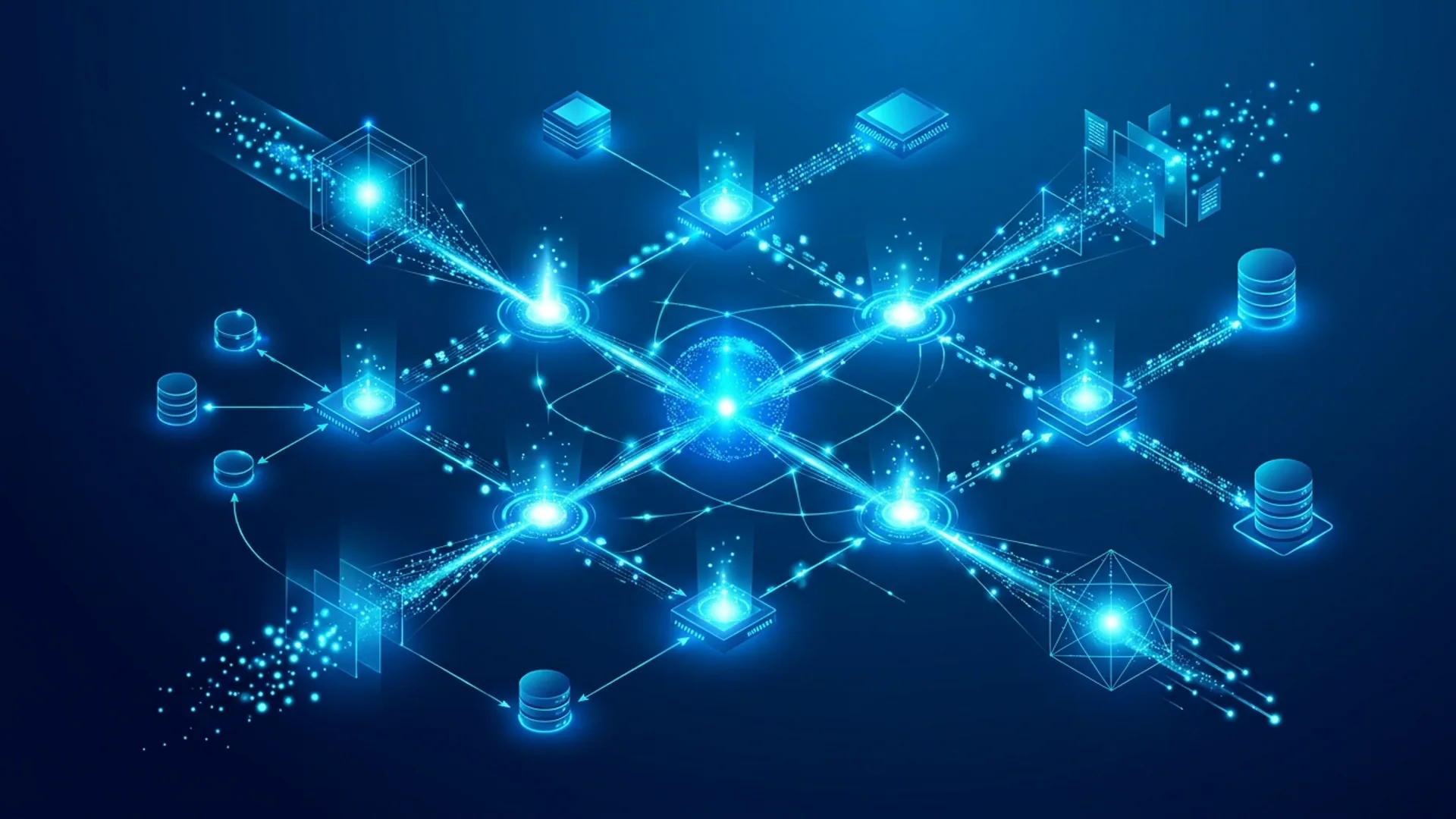
- Agents run as containerized microservices orchestrated by Kubernetes - enabling fault isolation and elastic scaling.
- Heavy-lift reasoning calls go to GPT-4o via OpenAI API; lightweight tasks run on GPT-4.1-mini deployed privately.
- Kafka streams shuttle asynchronous messages between agents.
- Redis and Pinecone manage memory and vector stores with real-time updates.
Switching from chunky monolithic GPT calls to this distributed architecture dropped latency on complex refactors from 300 seconds to 80 and slashed monthly inference costs from $4,200 to $1,470.
Cost and Performance Tradeoffs
| Factor | Benefit | Tradeoff |
|---|---|---|
| Multi-agent decomposition | Parallel workflows cut latency | More complex orchestration architecture |
| Hybrid model routing | Cuts inference costs by 65% | Requires infrastructure for lightweight models |
| Containerization | Fault isolation and scaling | Added dev and ops overhead |
| Human-in-the-loop gates | Boosts security and auditability | Adds slight latency to delivery |
ERP and containerization upgrades can cost $750k–$1.2M upfront (techradar.com), but once running, agentic AI slices iteration times by 70% and cloud costs by 65%. This isn’t optional - it’s an investment in survival.
Step-by-Step Deployment Guide
- Audit infrastructure readiness - ERP, APIs, container platform. 80%+ firms need upgrades first (itpro.com).
- Develop core agents for SDLC tasks using GPT-4.1-mini and GPT-4o.
- Define workflows via DAGs capturing agent dependencies.
- Integrate governance hooks for logging and rollback.
- Containerize agents and deploy on Kubernetes.
- Pilot on projects, monitoring latency, cost, errors.
- Optimize retry logic, caching, and model routing.
We’ve seen teams trip over underestimating step 1. Don’t skip it.
What’s Next for Agentic AI in Enterprises
ERP vendors are embedding agentic AI by 2026, smoothing migration. Platforms like Pega Infinity ‘25 and IBM Bob sharpen automation and pipeline capability.
AI 4U plans to deepen multi-agent orchestration, enabling real-time workflows across globally distributed developers.
Hybrid governance models, security-first architecture, and edge inference for lean models like GPT-4.1-mini will define the next wave.
Frequently Asked Questions
Q: What sets agentic AI apart from regular AI in enterprise app development?
Agentic AI coordinates autonomous agents executing multi-step workflows with planning, tool integration, and governance baked in. Traditional AI targets one-off tasks like code completion alone.
Q: How much does it cost to deploy agentic AI systems?
Initial infrastructure updates run $750k–$1.2M due to ERP and containerization (techradar.com). But operational cloud inference costs drop 65%, latency improves 73% once live.
Q: What models work best for agentic AI SDLC pipelines?
We use GPT-4o and Claude 3.7 Sonnet for complex reasoning, paired with GPT-4.1-mini for lightweight environment and dependency tasks balancing speed and cost.
Q: How do you ensure security and compliance?
Developer-driven governance enforces rich audit trails, rollback capabilities, and human approvals at critical workflow points - guaranteeing traceability and swift error recovery.