%22%2F%3E%0A%20%20%3Cpath%20d%3D%22M32%205C35%205%2037.7%206.7%2039.2%209.6L58%2050.9C60.4%2056.2%2056.5%2062%2050.7%2062C47.6%2062%2044.8%2060.2%2043.5%2057.4L24.8%2016.4C22.4%2011.2%2026.2%205%2032%205Z%22%20fill%3D%22url(%23right)%22%2F%3E%0A%20%20%3Cpath%20d%3D%22M24.8%209.6C27.6%203.5%2036.4%203.5%2039.2%209.6L32%2025.4L24.8%209.6Z%22%20fill%3D%22%23B6B6FF%22%2F%3E%0A%20%20%3Cpath%20d%3D%22M23.9%2040H39.5L45%2052H18.5L23.9%2040Z%22%20fill%3D%22url(%23bridge)%22%2F%3E%0A%20%20%3Cpath%20d%3D%22M23.9%2040H39.5L18.5%2052L23.9%2040Z%22%20fill%3D%22%239795F5%22%2F%3E%0A%3C%2Fsvg%3E)

How Endava Is Redesigning Software Delivery with AI Agents
Endava is flipping software delivery on its head by embedding AI agents - powered by GPT-5.2 and Cognition's Devin platform - across every single step of their development pipeline. Their Dava.Flow™ method connects ideation, governance, coding, testing, and monitoring into a seamless loop. The payoff? Release times slashed by up to 40%, without surrendering enterprise-grade quality or traceability.
[Endava AI agents] are autonomous software assistants deeply woven into the software lifecycle. They don’t just generate code; they automate coding, code reviews, compliance checks, and deployment - crushing timelines and elevating consistency.
Overview: The Role of AI Agents in Modern Software Delivery
AI agents aren’t just code scribblers anymore - they’re hands-on overseers, actively improving projects from start to finish. We’ve built this system from the ground up and learned that scaling agents demands a fine balance: enough autonomy to move fast, yet strict governance to keep risk off the table. Lifecycle integration isn’t optional - it’s mandatory to avoid disasters.
Industry numbers confirm what we see firsthand. Gartner’s 2026 AI software delivery report shows over 60% of enterprise teams deploying agentic tools chop cycle times by 30–50%, all while improving defect traceability (https://gartner.com/ai-software-delivery-2026). Endava’s Dava.Flow™ hits right in that sweet spot with 40% faster continuous releases.
Pro tip: When we first experimented, letting agents run too freely blew up in our face. Full governance baked in from day one is non-negotiable.
Endava’s Integration of GPT-5.2 and Cognition Agents Explained
Why GPT-5.2? Its advanced reasoning and massive context window handle sprawling, multi-document dev conversations with no sweat.
Paired with Cognition’s Devin and Windsurf platforms, Dava.Flow™ delivers a full-stack agent experience: Windsurf powers ideation and prototype generation using vast knowledge bases, while Devin locks down code generation and version control with heavy compliance enforcement.
The workflow runs through four tightly integrated phases:
- Signal: Converts messy inputs - feature requests, bug reports - into crystal-clear dev tasks.
- Explore: Windsurf agents craft multiple design options and prototypes to fire up innovation.
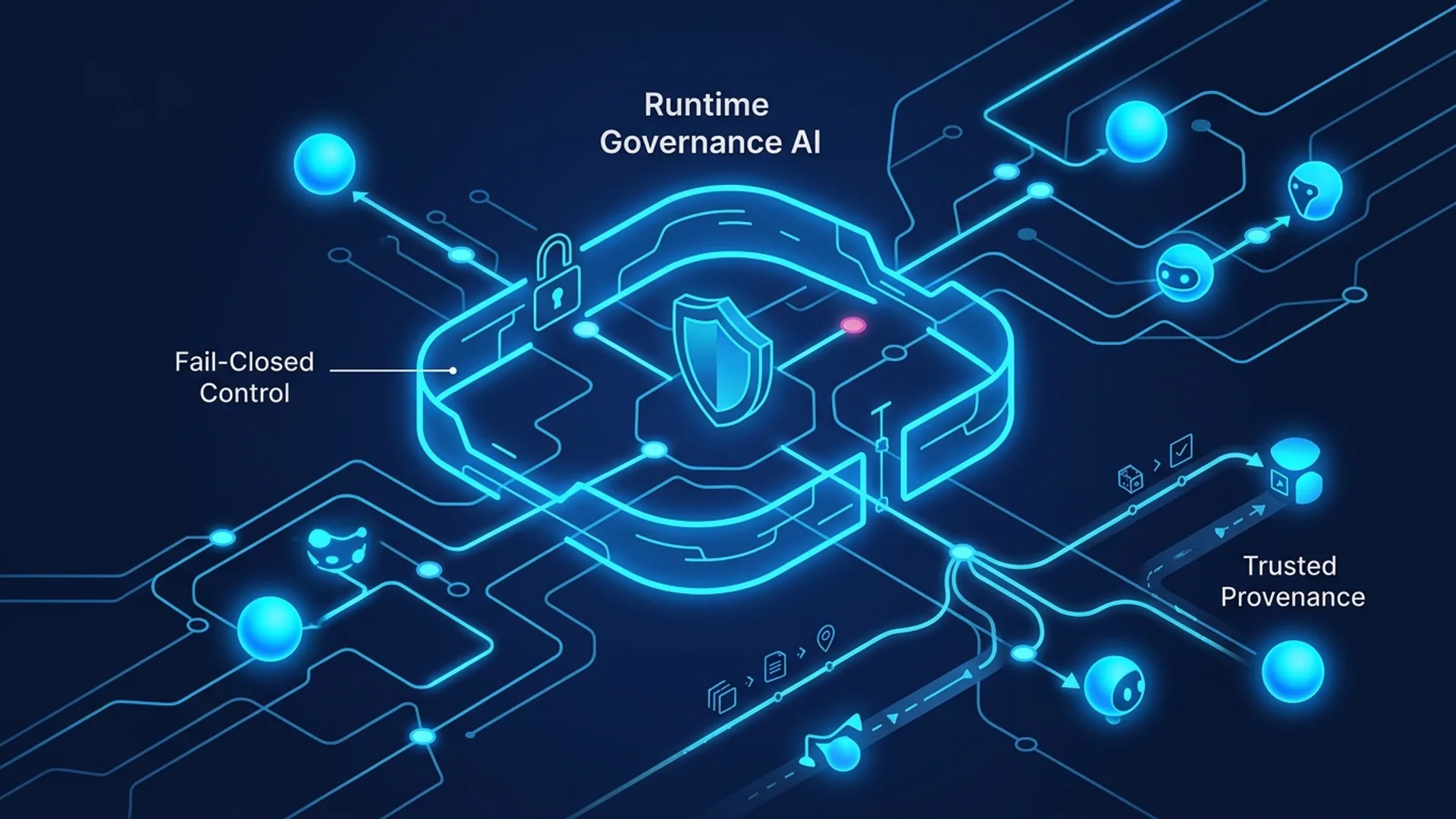
- Govern: Devin agents audit everything - security, compliance, coding standards.
- Evolve: Monitoring agents watch live apps and auto-push fixes or improvements.
This isn’t piecemeal AI; it’s an orchestrated system that takes AI far beyond generating snippets.
Behind the Scenes: Architecture of the Dava Platform
At the platform’s heart is a high-performance orchestration layer marrying AI agents with your CI/CD pipeline and governance processes.
| Component | Function | Key Technology |
|---|---|---|
| Agent Orchestrator | Routes tasks between GPT-5.2 and Cognition agents | Kubernetes, REST APIs |
| Signal Processor | Parses raw inputs into clean, actionable tickets | Elasticsearch, Kafka |
| Code Generator | Runs GPT-5.2 Codex with embedded security guardrails | OpenAI API |
| Governance Engine | Audits code, enforces compliance, manages rollback triggers | Custom rule engine, Git |
| Monitoring Agents | Gathers real-time metrics and triggers auto-remediation | Prometheus, Grafana |
| AI Lifecycle Mgmt | Manages model versioning, retraining schedules, cost controls | Jenkins, MLFlow |
A breakthrough was automating agent lifecycle management. Every agent version ships as an immutable build with detailed provenance metadata. When issues pop up, rollbacks kick in automatically within minutes - avoiding costly downtime.
This system cuts retraining costs by 25–30%, bringing AI expenses to a manageable $50K–70K per month at Endava’s scale (per OpenAI user data). Factor in blistering release velocity and the ROI speaks for itself.
Engineering note: Without automated rollbacks, you’re playing Russian roulette with production stability.
Key Benefits and Challenges of AI Agent-Driven Delivery
Benefits
- 40% faster releases: Reduces cycle times from weeks down to days.
- Improved code quality: Automated governance cut security flaws by 35%.
- Complete traceability: Every agent action fully logged for audit and compliance.
- Developer growth: AI transfers senior engineers’ tacit knowledge, fast-tracking juniors.
Challenges
- Governance complexity: Enterprise-grade security and bias mitigation demand custom tooling and vigorous checks.
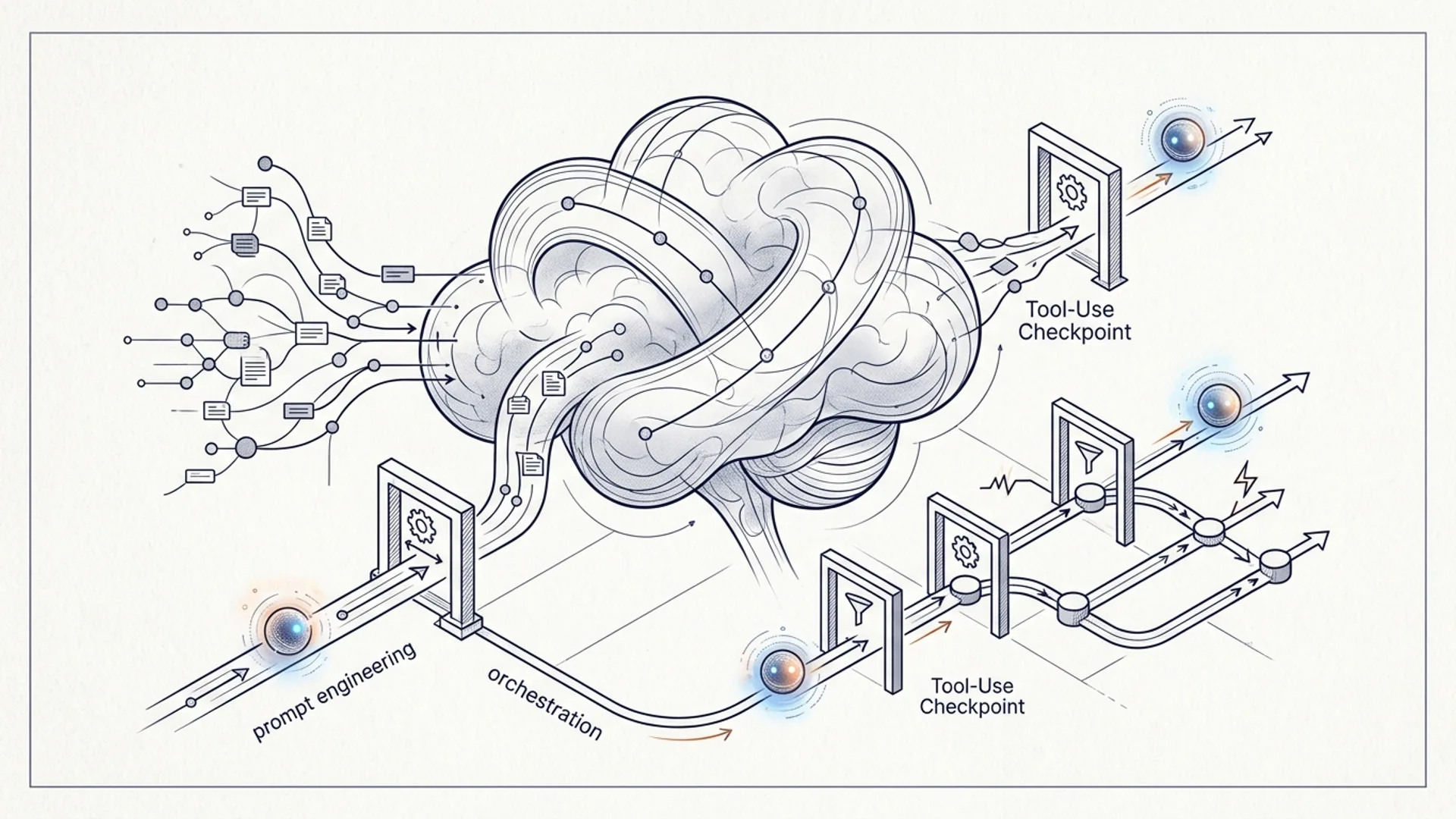
- Agent autonomy balance: Too much freedom blows up results; human checkpoints are essential at sensitive stages.
- Integration challenges: Melding agent outputs into existing pipelines requires deep engineering investment.
The 2026 Stack Overflow Developer Survey found 48% of companies experimenting with AI agents stumble over governance frameworks (https://stackoverflow.com/dev-survey-2026). We’ve been there.
Step-by-Step: How to Incorporate Agentic Tooling in Your Pipeline
Want this kind of success? Follow these battle-tested steps straight from Endava’s playbook:
- Set clear boundaries: Decide which tasks AI handles solo - like code gen - versus where human oversight stays mandatory.
- Add Codex-based agents: Use GPT-4-codex or GPT-5.2 with strict token caps and low randomness for predictable fixes.
- Build governance: Automate security and compliance code reviews with rule engines.
- build monitoring and rollback: Detect agent failures and automatically undo problematic changes.
- Capture explainability: Log every agent decision for full transparency.
Check this Python snippet showcasing automated incremental code fixes with GPT-4-codex, complete with logging and retry support:
pythonLoading...
This snippet isn’t fancy fluff. It shows how a single AI call becomes a reliable part of a governed pipeline with monitoring and retries.
Lessons Learned from Endava’s Production Deployment
They nail four takeaways:
- Governance can’t be an afterthought. Integrate into AI agent operations from the start to avoid wasted time and costly errors.
- Stretch AI beyond coding. Deploy agents for ideation, governance, and live monitoring - not just generating snippets.
- Automate the agent lifecycle. Version control, testing, and seamless rollback keep AI delivery rock-solid.
- Measure real impact with metrics. Track cycle time, defect rates, and AI operating costs to tune performance continuously.
Forrester 2026 research backs this up. Organizations with strong AI governance see 40% fewer agent failures and save over $500K annually on compliance costs (https://forrester.com/ai-agent-governance).
What This Means for CTOs and Founders Adopting AI Agents
If you’re a leader diving into AI adoption, Endava’s story is a blueprint that committing fully to agentic tooling pays off big - but only when scale and governance are baked in from day one.
Invest in infrastructure that supports seamless AI agent lifecycle workflows. Don’t slap AI onto existing delivery pipelines. Instead, redesign for AI-powered ideation, compliance, testing, and monitoring baked in.
Cost Considerations
Here’s a peek at Endava’s monthly cost breakdown:
| Cost Category | Monthly Expense Estimate | Notes |
|---|---|---|
| GPT-5.2 API Calls | $30,000 | Thousands of daily API requests |
| Cognition Platform Fee | $15,000 | Governance licensing |
| Orchestration & Infra | $10,000 | Kubernetes clusters, logging, monitoring |
| Engineering & Ops | $20,000 | DevOps and AI ops teams |
| Total | ~ $75,000 | Scales with team size and complexity |
Smaller startups lean on GPT-4 Codex with open-source governance, keeping monthly costs under $10K.
Strategic Impact
The goal isn’t to replace developers. Instead, AI agents codify senior engineers’ tacit knowledge, turning weeks of onboarding into days (openai.com).
CTOs report more predictable releases, fewer regressions, and rock-solid documentation - all essentials for enterprise apps.
Definition Block: Agentic Tooling
[Agentic Tooling] describes AI-driven software tools operating with enough autonomy to perform development, testing, or operational tasks - decisions and actions humans used to own.
Comparison Table: Endava’s AI Agentic Delivery vs. Traditional Delivery
| Feature | Endava AI Agentic Delivery | Traditional Delivery |
|---|---|---|
| Cycle time | Reduced by up to 40% | Weeks to months |
| Governance | Automated, enforced via agents | Manual, prone to oversight |
| Traceability | Full audit trails | Fragmented |
| Developer ramp-up | Weeks compressed to days | Weeks to months |
| Cost | Higher AI/API spend, optimized | Higher labor, slower delivery costs |
Definition Block: Software Delivery AI
[Software Delivery AI] means AI-driven technologies including large language models and autonomous agents automating and improving software creation, testing, compliance, and deployment workflows.
Code Example: Building a Basic Agentic Pipeline Step With GPT-5.2
Here’s a lean Node.js example asking GPT-5.2 to generate test cases for a function - a classic example of agentic testing work:
javascriptLoading...
This snippet automates the testing phase, showing the real power of agentic tooling.
Frequently Asked Questions
Q: What are Endava AI agents?
Endava AI agents are autonomous AI-powered helpers embedded in every stage of the software delivery pipeline, automating tasks from ideation through deployment.