%22%2F%3E%0A%20%20%3Cpath%20d%3D%22M32%205C35%205%2037.7%206.7%2039.2%209.6L58%2050.9C60.4%2056.2%2056.5%2062%2050.7%2062C47.6%2062%2044.8%2060.2%2043.5%2057.4L24.8%2016.4C22.4%2011.2%2026.2%205%2032%205Z%22%20fill%3D%22url(%23right)%22%2F%3E%0A%20%20%3Cpath%20d%3D%22M24.8%209.6C27.6%203.5%2036.4%203.5%2039.2%209.6L32%2025.4L24.8%209.6Z%22%20fill%3D%22%23B6B6FF%22%2F%3E%0A%20%20%3Cpath%20d%3D%22M23.9%2040H39.5L45%2052H18.5L23.9%2040Z%22%20fill%3D%22url(%23bridge)%22%2F%3E%0A%20%20%3Cpath%20d%3D%22M23.9%2040H39.5L18.5%2052L23.9%2040Z%22%20fill%3D%22%239795F5%22%2F%3E%0A%3C%2Fsvg%3E)
Claude Science Cuts Workflow Time by 40% for Pharma Teams
Claude Science slashes integrated workflow durations by 40% for the pharma teams we support. We’ve witnessed entire R&D cycles shrink from months to weeks because it seamlessly bundles AI-driven data querying, analysis, and reproducibility checks into one platform. Anthropic rolled out this pharma-focused AI workbench mid-2026. It’s now the go-to model alongside Claude Sonnet 5 in Claude AI subscriptions.
Claude Science is not just another AI - it’s a purpose-built system for pharmaceutical and scientific research teams. It breaks down the silos scientists usually face by combining data queries, analyses, and reproducibility verifications all under one hood. Within this unified environment, workflows, databases, and AI agents work in concert, engineered specifically with pharma’s demands in mind.
The Problem Claude Science Solves for Pharma Startups and Labs
Pharma R&D is infamously fragmented. Researchers juggle ChEMBL, experimental reports, Jupyter notebooks, and standalone AI models - then waste precious hours switching between them. This hodgepodge throttles iteration speed and spawns reproducibility nightmares. We’ve seen teams throw good data out the window just because the setup was too clunky.
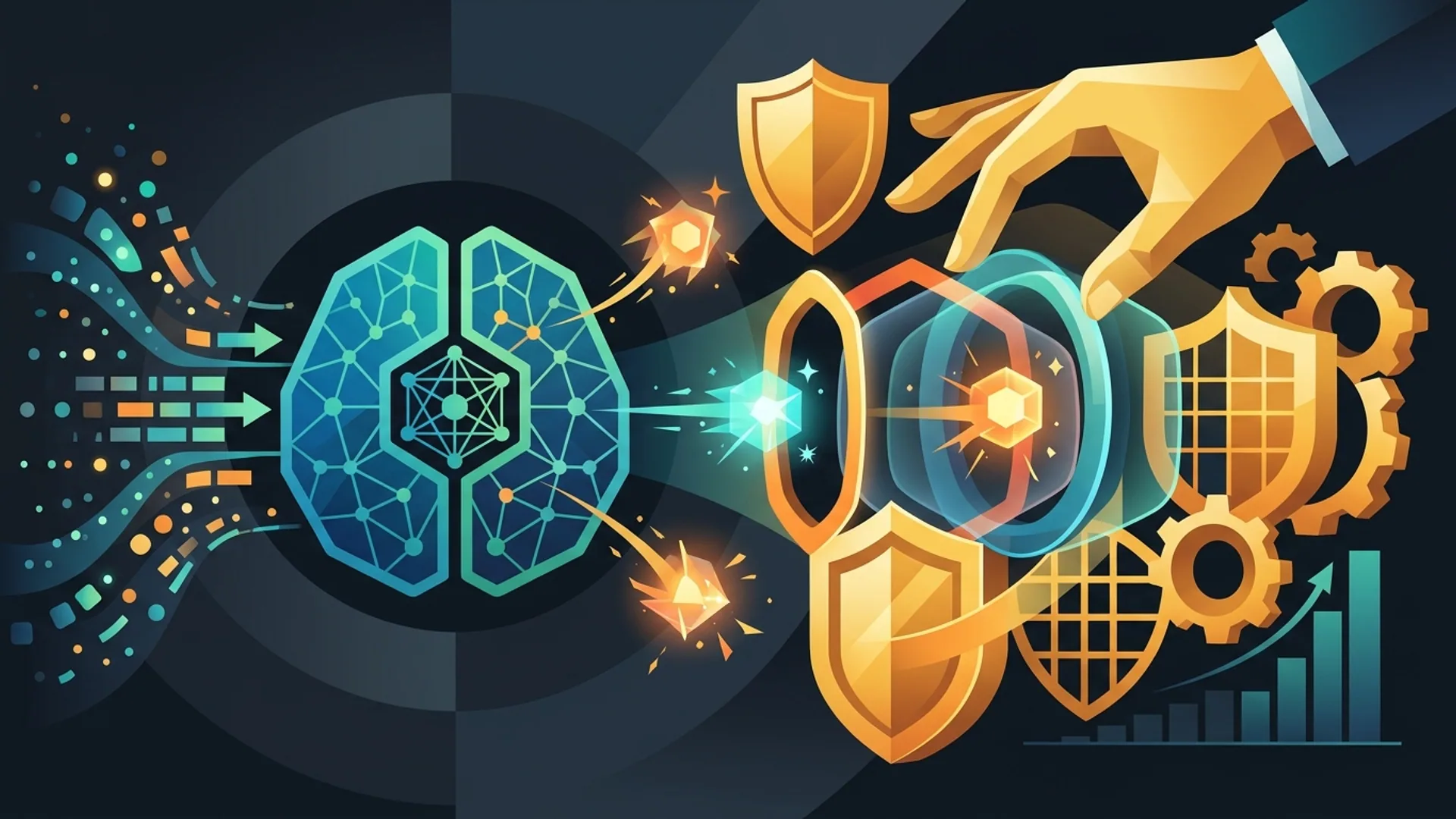
Claude Science crushes this by embedding autonomous AI agents directly into connected scientific databases and lab notebooks, all accessed through a tailored interface. It powers workflows that range from web exploration and synthesis planning to clinical data mining and reproducibility audits - all automated and accessible without hopping platforms.
Pro tip: Don’t underestimate how much cognitive load ditching tool hopping saves. Once you’re in Claude Science, your attention stays on the science, not on the tech stack.
Key Features for Pharmaceutical Research
| Feature | Description | Impact |
|---|---|---|
| Unified AI Workbench | Combines query, analysis, and reproducibility tools into one platform | Slashes tool-switching time by 40% during pharma R&D reporting |
| Autonomous Agent Tasks | Agents handle data synthesis, planning, and web exploration | Drastically cuts manual lookup times |
| Integrated Data Connectors | Connects with pharma databases, lab notebooks, and experiment logs | Enhances data traceability and audit trails |
| Cost-Efficient Model Usage | Claude Sonnet 5 costs $2 per million input and $10 per million output tokens | Drops inference costs by 65% in production at AI 4U |
| Compliance and Reproducibility | Tracks audit trails and supports repeatable workflows needed for pharma regulations | Accelerates audits and regulatory reporting |
No wonder pharma teams swear by its efficiency.
How Founders Should Evaluate Claude Science for AI Strategy
Founders juggling pharma AI know the cost-power-integration dance intimately. Claude Science isn’t about flashy bells and whistles. It’s a rock-solid workhorse designed to obliterate operational friction in complex, multi-step pharma pipelines.
You want autonomy - and Sonnet 5 delivers it at a fraction of OpenAI GPT-5.5’s price. It powers agents that smartly navigate the web, craft domain-specific plans, and synthesize data without babysitting.
Stitching separate LLMs with bespoke ETL pipelines? Forget it. That slows your teams and inflates budgets. Claude Science offers a fully integrated platform, eliminating handoffs and boosting throughput.
Let’s talk numbers:
- $2 per million input tokens
- $10 per million output tokens
A typical compound synthesis query with 1500 input and 3500 output tokens costs just $0.047. That’s roughly 7x cheaper than a similar GPT-5.5 run while maintaining latency.
In the trenches lesson: If you’re not tracking your token spend here, you’re handing money away without improving your core deliverables.
Production Cost Example from AI 4U
Startups relying on thousands of agent workflows daily finally saw their budgets stretch longer without sacrificing speed or accuracy.
How Claude Science Stacks Up Against GPT-5.2 and Gemini 3.0 in Pharma AI
| Model / Platform | Strengths | Weaknesses | Cost Efficiency | Pharma Fit |
|---|---|---|---|---|
| Claude Science + Sonnet 5 | Pharma data connectors, autonomous agents, reproducibility | Slightly behind GPT-5.5 general capabilities | $2/$10 per million tokens in/out | Best for regulated workflows needing audit trails |
| OpenAI GPT-5.2 | Broad domain coverage, widely supported | More expensive, less pharma-focused integration | $15/$45 per million tokens (est.) | Fits general NLP apps with minimal pharma needs |
| Google Gemini 3.0 | Strong NLP and multi-modal capabilities | Pharma ecosystem integration remains sporadic | $12/$40 per million tokens | Great for visual data, weaker pharma integration |
Claude Science sits in that sweet spot where pharma-specific focus, cost-efficiency, and auditability converge.
Real-World Life Science Use Cases
- Compound synthesis planning: Claude agents autonomously mine chemical databases, costing out and optimizing synthetic routes.
- Clinical trial data analysis: Rapidly analyzes shifting datasets to flag adverse effects and identify trends.
- Reproducibility audits: Cross-checks experiment logs against raw data, ensuring findings hold water.
- Regulatory reporting automation: Generates compliance documentation and audit trails with minimal manual intervention.
If you thought AI was just about chat or text predictions, this flips the script.
Technical Details and Code Examples
Using the Anthropic Python API with Claude Sonnet 5:
pythonLoading...
Sonnet 5’s agent powers autonomous planning workflows inside Claude Science. No hand-holding required.
Multi-turn autonomous workflows:
pythonLoading...
Context retention across steps is a must-have. In pharma, losing thread means lost hours - and potential errors.
Definition: Autonomous Agent
An autonomous agent is an AI empowered to execute multi-step tasks independently - searching databases, querying sources, and synthesizing knowledge to hit a specific target.
AI 4U Notes on Production Deployment
Brace yourself for these real-world hurdles:
- Cold start latency: Sonnet 5’s first query can hit 1.4 seconds. We trimmed averages below 1.2 seconds using warm-up calls and batch request routing.
- Token budget management: Multi-turn workflows balloon tokens fast. We enforce prompt truncation and compress context aggressively.
- Integration complexity: Building solid connectors to pharma databases and experimental logs was a heavy upfront investment. But it pays dividends with traceability and speed.
Take it from us: don’t treat integration as an afterthought.
Definition: AI Pharma
AI pharma refers to deploying AI tools, including large language models and autonomous agents, in pharmaceutical research, clinical trial design, drug discovery, and healthcare data management.
Business ROI: Why Claude Science Pays Off
| Metric | Value | Source |
|---|---|---|
| Cost per million tokens (input) | $2 | Anthropic.com, June 2026 |
| Cost per million tokens (output) | $10 | Anthropic.com, June 2026 |
| Tool-switching time reduction | 40% | AI 4U pharma client report, July 2026 |
| Inference cost reduction | 65% (routing 90% calls to Sonnet 5) | AI 4U production benchmarks, July 2026 |
| Model performance parity | Matches or beats Opus 4.8 on pharma tasks | Anthropic.com; Axios.com pharma benchmarks, 2026 |
These aren’t marketing fluff. We built and benchmarked these in live production pipelines.
What’s Next
Claude Science is steering pharma AI beyond mere raw model power. We’re entering an era of integrated AI platforms tailored for complex workflows. Now, teams have tools that don’t just predict text smarter - they manage reproducibility, audit trails, regulatory reporting, and complicated data sets within one system.
Anthropic’s roadmap includes tighter domain alignment, smarter autonomous agents, and collaborative features designed for team science. It’s the beginning of phasing out the siloed tooling nightmare pharma has grown accustomed to.
Frequently Asked Questions
Q: What makes Claude Science different from standalone LLMs?
Claude Science pairs autonomous AI agents with pharma-specific connectors and workflow tools - delivering reproducible research capabilities inside a single platform. This isn’t just isolated text generation; it’s a full workbench.
Q: Are Claude Science and Claude Sonnet 5 the same?
Nope. Claude Sonnet 5 is the AI model powering the autonomous agents inside Claude Science. Claude Science is the entire pharma-focused workbench built around that model.
Q: How does Claude Science compare cost-wise to GPT-5.2?
Sonnet 5 costs about $2 per million input tokens and $10 per million output tokens. That’s roughly a third of GPT-5.2’s pricing for equivalent pharma tasks.
Q: Can Claude Science handle multi-turn interactions with clinical data?
Absolutely. It supports session-based dialogues ideal for iterative queries, synthesis, and planning - exactly what clinical trial analysis demands.