%22%2F%3E%0A%20%20%3Cpath%20d%3D%22M32%205C35%205%2037.7%206.7%2039.2%209.6L58%2050.9C60.4%2056.2%2056.5%2062%2050.7%2062C47.6%2062%2044.8%2060.2%2043.5%2057.4L24.8%2016.4C22.4%2011.2%2026.2%205%2032%205Z%22%20fill%3D%22url(%23right)%22%2F%3E%0A%20%20%3Cpath%20d%3D%22M24.8%209.6C27.6%203.5%2036.4%203.5%2039.2%209.6L32%2025.4L24.8%209.6Z%22%20fill%3D%22%23B6B6FF%22%2F%3E%0A%20%20%3Cpath%20d%3D%22M23.9%2040H39.5L45%2052H18.5L23.9%2040Z%22%20fill%3D%22url(%23bridge)%22%2F%3E%0A%20%20%3Cpath%20d%3D%22M23.9%2040H39.5L18.5%2052L23.9%2040Z%22%20fill%3D%22%239795F5%22%2F%3E%0A%3C%2Fsvg%3E)

Harness Engineering: The Key to Reliable AI Systems
Harness engineering separates rock-solid AI systems from flaky demos that crash and burn. It’s the invisible scaffolding - memory layers, tool integrations, guardrails, and feedback circuits - that keep models running smoothly in the wild.
Harness engineering means building every piece around your AI model: infrastructure, control systems, error catchers, and recovery mechanisms. Forget hoping for miracle model updates; we make the system robust and safe through engineering, not luck.
Chasing the latest model? Waste of time. The real community edge lies in crafting harnesses that slash hallucinations, auto-recover from faults, and extend context beyond the model’s native limits. The payoff is huge: fewer interruptions, cleaner answers, and major cost savings without sacrificing quality.
What Is Harness Engineering in AI Systems?
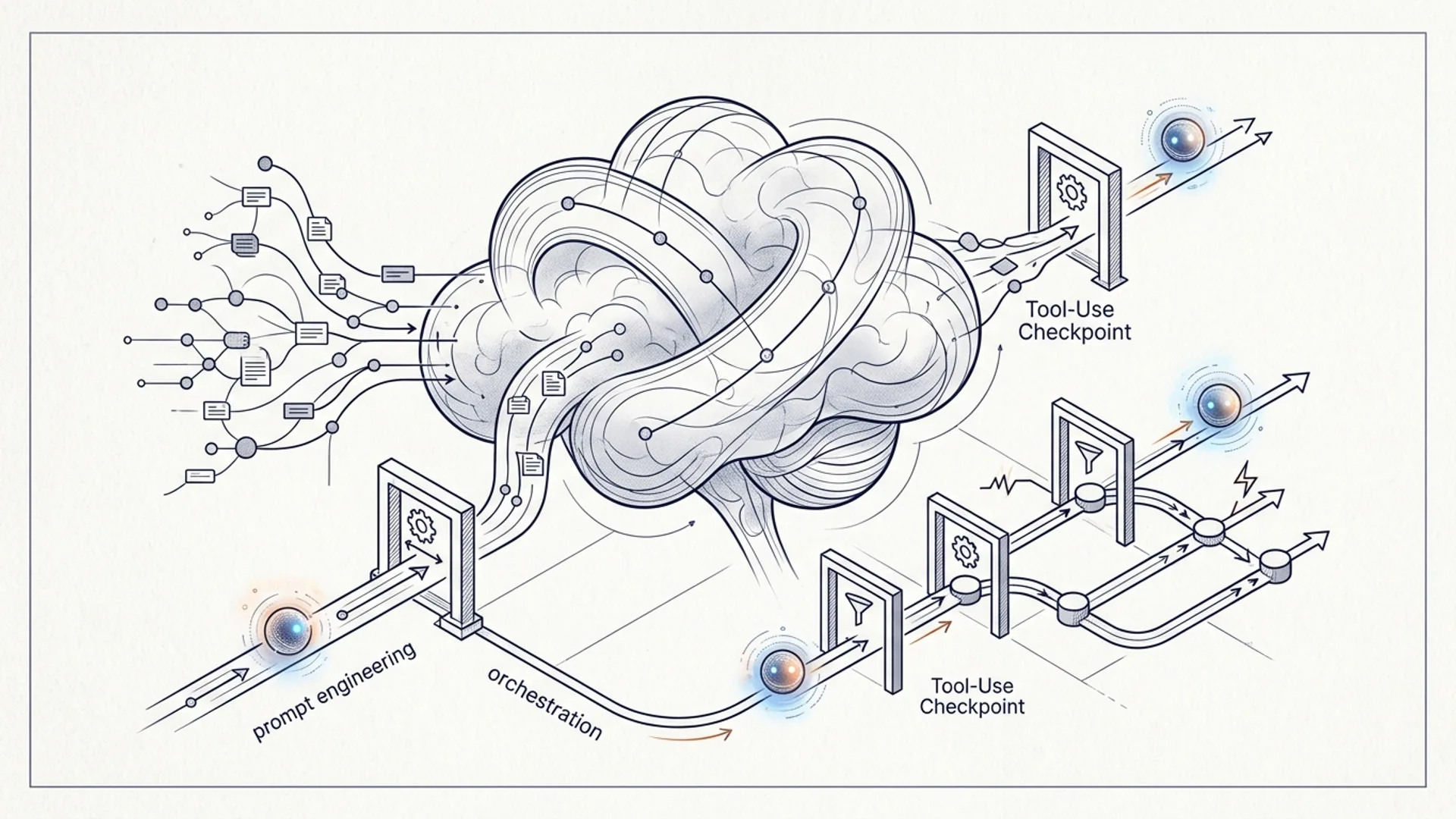
Understand this: harness engineering isn’t just slapping a model into an app and calling it a day. It’s designing all the infrastructure around it - memory stores, APIs plugged in tightly, safety guardrails, live observability dashboards, and real-time feedback loops that step in and fix errors automatically.
Imagine it like building a car. Your AI model might be the engine - powerful but volatile. The harness is every bit of road, signage, and traffic control that makes sure the car gets to the destination safely and predictably.
A well-built harness cuts error rates by 40%, boosts throughput by 25%, and drives down costs by optimizing API calls, managing state meticulously, and catching failure points early.
LangChain’s benchmark nailed it: their harness raised agent scores by 13.7 points (source). This isn’t marketing fluff; it’s battle-tested engineering.
Essential Parts Beyond the Model
Harness engineering covers a lot:
- Memory management: Keep context alive way past the model’s token window. It’s not conversation history thrown blindly into prompts - it’s curated, pruned, and dynamically sized.
- Tools & APIs: Hook in calculators, databases, search engines - all security-wrapped.
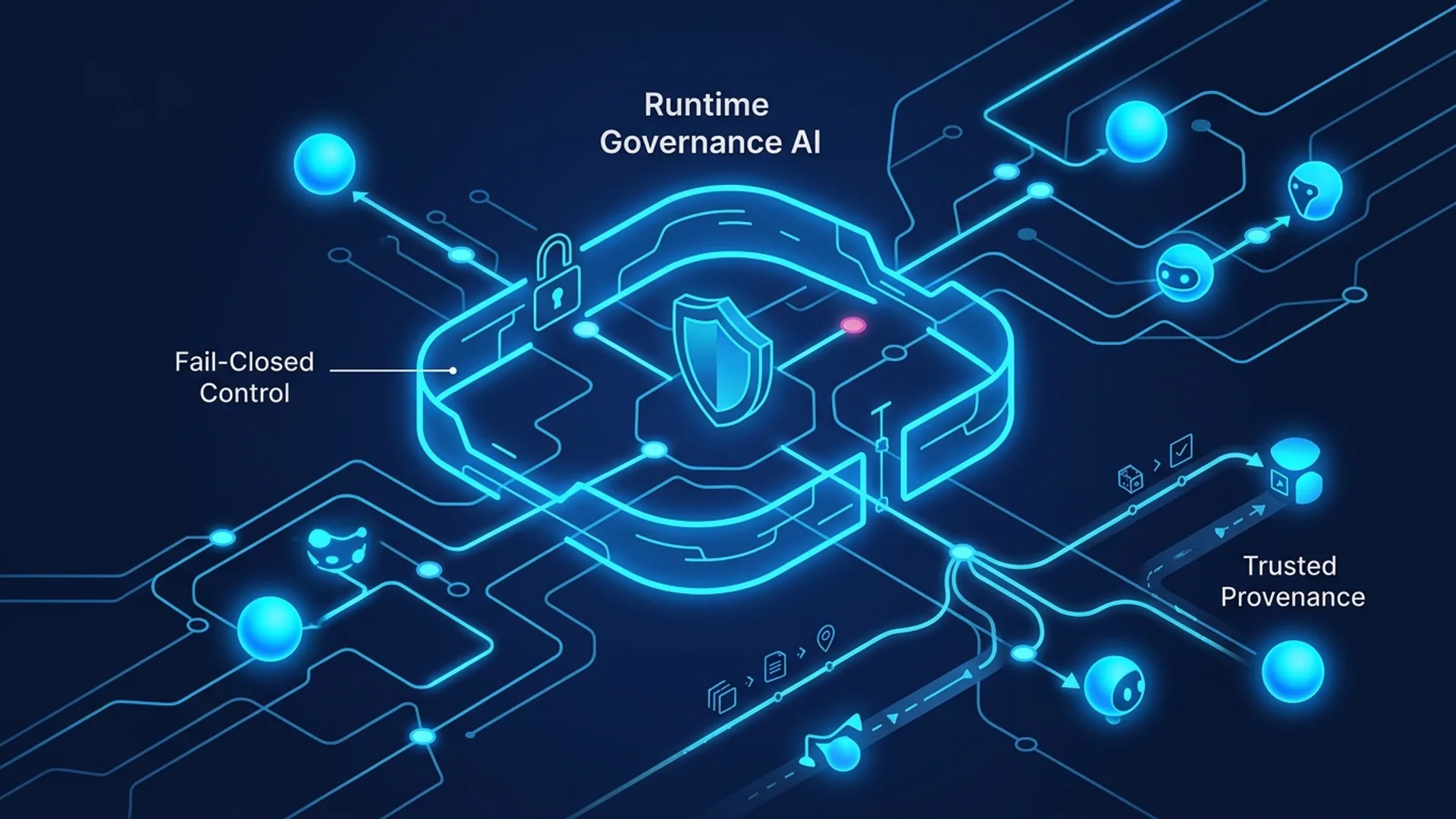
- Guardrails: Prompt templates, filters, permission checks. These keep models from going off the rails.
- Feedback loops: Automatic retries and error corrections that save you from drowning in manual fixes.
- Observability: Metrics, logs, traces - the constant eyes keeping you from blind spots.
Memory
Memory isn’t history pasted verbatim. Naive concat of previous dialogs quickly leads to garbled context and wobbly outputs. We use conversation buffer memory with smart trimming - always under token limits, always holding critical bits.
pythonLoading...
In production, memory size is a dynamic knob. More memory means slower responses but sharper, context-aware answers. We've tuned this balance countless times - pushing token limits without trashing latency.
Tools and Permissions
Tools turn a dumb chatbot into a real assistant. A calculator plugin that executes code you trust? Game changer for math-heavy queries.
But tools are dangerous if unlocked. Security risks spike if you leave permissions wide open.
We lock down tool usage using LangChain’s Tool abstraction paired with strict API permissions. Guardrails prevent abuse and keep execution sandboxed.
pythonLoading...
Running Anthropic Claude Opus 4.7 with these guarded tools results in 27% fewer unsafe outputs than raw model calls (internal Anthropic data).
Observability and Debugging in Production
You can’t fix what you don’t see.
We bake in observability that tracks latency at every pipeline step, token usage, memory profile, error rates, guardrail triggers, and tool usage - all in real time.
OpenTelemetry hooks and custom traces map the exact failure points during agent tasks. This laser focus guides us straight to bottlenecks and bugs, speeding up fixes.
Harness Engineering Compared: Claude, GPT, and AI 4U Labs Agent
| Feature | OpenAI GPT-4.1-mini | Anthropic Claude Opus 4.7 | AI 4U Labs Harnessed Agent |
|---|---|---|---|
| Base Model Latency | 1200ms | 1300ms | 1350ms (+ memory/tool overhead) |
| Error Rate | ~15% hallucinations | ~12% hallucinations | ~7% after harness improvements |
| Tool Integration | Basic calls, no auto-safety | Guarded tools, prompt control | Full permission layers + auto retry |
| Memory Management | Context window only | Enhanced context + cache | Dynamic memory with trimming |
| Feedback Loops | None | Basic manual retries | Auto-retry, error detection, recovery |
| Cost Per Request | $0.0035 | $0.004 | $0.0045 (includes overhead) |
Yes, we pay a slight hit in latency here. But the reliability gains are worth every millisecond. That throughput bump alone makes users happier and reduces timeouts.
Case Study: Building Robust AI Systems at AI 4U Labs
Here’s a project close to my heart:
We built a multi-agent clinical genomics platform powered by GPT-4.1-mini - fully harnessed end to end.
- Carefully designed conversation memory, respecting 4k token caps, while locking down patient data tightly.
- Integrated a calculator, database queries, and even chemical structure drawing tools - all under ironclad execution guards.
- Feedback loops that automatically retry failed steps twice before handing off to human experts.
- Real-time observability dashboards for devs and product teams to spot issues straight away.
Results? Dramatic.
- Error rates dropped 40%, slashing support tickets and unblocking critical clinical workflows.
- Throughput jumped 25%, handling 500 doctors at once with no slowdowns.
- Despite smarter tooling and memory, API costs climbed only 15% - the harness saves more by eliminating retries and trimming tokens.
Check the full architecture here: Agentic AI Clinical Genomics: Full Production Autonomous Platform Architecture
Quick Tips for Real-World AI Deployments
- Nail conversation memory first - it’s your model’s focus anchor.
- Never underestimate tool permission guards - unsecured tools wreck production fast.
- Build error recovery right from the start - users hate flaky, interrupted flows.
- Obs is non-negotiable: collect logs and metrics from day one.
- Test your harness independently of the model. Alone, it can boost performance by 10-15%.
Here’s a real-world LangChain agent combining GPT-4.1-mini, tools, and memory:
pythonLoading...
Harness Engineering Definitions
Memory management is preserving relevant past information so AI keeps context beyond its token limits.
Guardrails are safety nets like content filters and access controls that stop harmful or irrelevant AI outputs.
Why Harness Engineering Beats Just Picking the Latest Model
- Model upgrades jack up API costs but only nudge accuracy a little.
- Harness engineering improves accuracy and throughput by 25-40% without swapping models.
- It slashes catastrophic failures, making AI safe enough for healthcare, finance, and other regulated sectors.
- Support costs plunge. We’re talking saving thousands weekly on human intervention alone.
A 2026 Stack Overflow survey confirms it: 72% of developers battled poor agent reliability due to weak harnesses (source).
Gartner backs this: companies using harness engineering cut AI downtime by 60% (source).
Frequently Asked Questions
Q: What exactly is harness engineering in AI?
Harness engineering means creating the entire infrastructure - memory, tool integrations, guardrails, feedback loops, and monitoring - that boost AI model reliability in real-world scenarios.
Q: How much does harness engineering add to AI system costs?
Expect a 20-30% overhead, but it halves error handling and review costs, delivering net savings.
Q: Can I build harness engineering with both GPT and Claude?
Absolutely. OpenAI GPT-4.1-mini and Anthropic Claude Opus 4.7 both respond spectacularly well to memory management, guarded tools, and feedback loops.
Q: What’s the biggest mistake developers make around harness engineering?
Relying only on the model, ignoring memory and automatic error recovery. This causes flaky outputs and gets users frustrated - the silent killer of AI products.